Until recently, a pregnant woman in Akinogun who needed delivery services could not rely on her local primary healthcare centre.
The Akinogun Primary Healthcare Centre, in Mosan-Okunola Local Council Development Area did not provide 24-hour healthcare or maternal delivery services. Women who needed obstetric care had to travel several kilometres to a general hospital, adding travel costs and potentially delaying access to care.
That has now changed with funding support from the Ford Foundation, HACEY has upgraded Akinogun PHC with a new maternal labour and delivery ward, essential maternal-health equipment and a 10KWH solar power system to support services around the clock.
The facility now provides 24-hour maternity services alongside routine immunisation, outpatient care and essential family planning services.
For women in Akinogun and surrounding communities, the change is straightforward: a service that previously required a trip to a general hospital is now available closer to home.
More than a new delivery room
The upgrade was not limited to renovating a space.
A maternity service needs the equipment, power and trained health workers to keep it running.
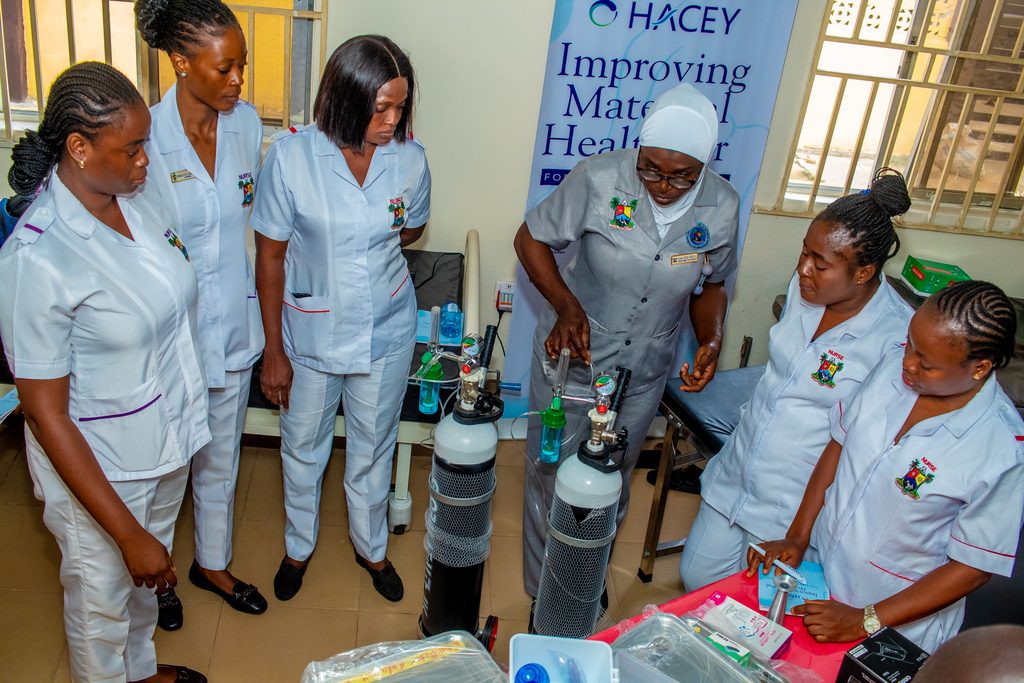
The facility received delivery beds and obstetric tables, foetal Dopplers, blood pressure monitors, sterile delivery packs, autoclaves, suction machines, oxygen concentrators and neonatal resuscitation equipment.
Frontline health workers were also trained on the use and maintenance of the equipment.
The 10KWH solar power system is another important part of the upgrade. With the facility expected to provide maternity services at any time of day, reliable power is needed to keep essential equipment available when it is needed.
The intervention also supports women before they reach the delivery room.
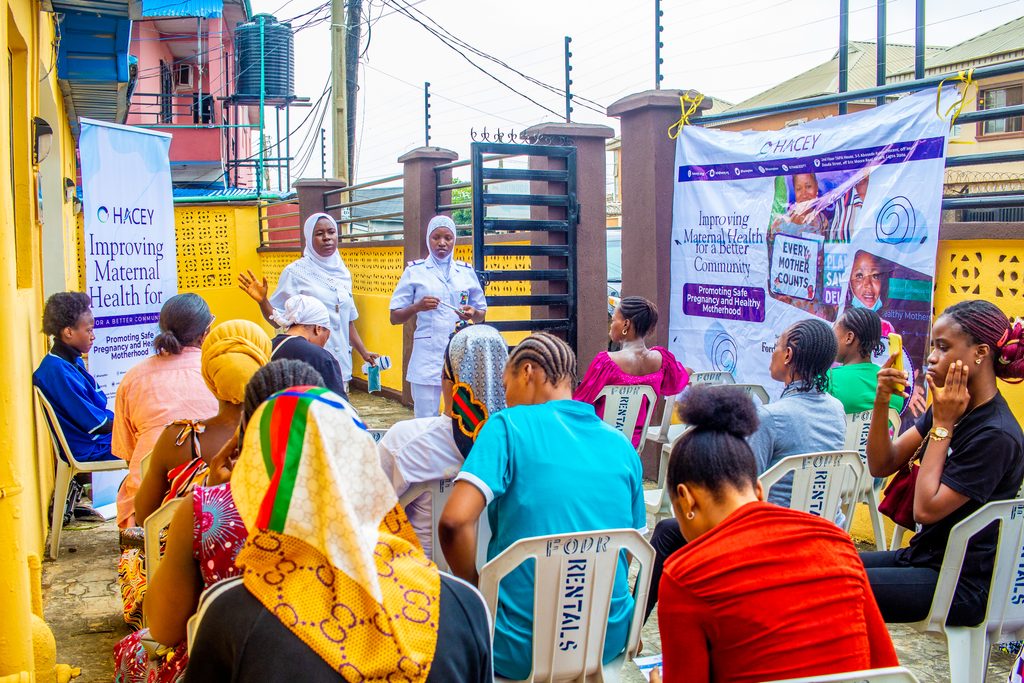
Through antenatal services, pregnant women received maternal-health education and safe birthing kits containing supplies including sterile gloves, antiseptic solution, cord clamps, gauze, sanitary pads, delivery mats and clean blades.
A total of 2,000 safe birthing kits have been provided through the project.
What the change means locally
For Dr. Sola Pitan, Permanent Secretary, Lagos State Health District 1, the value of the upgrade is in bringing obstetric care closer to women.
“A pregnant woman no longer has to travel several kilometres for care. She can walk calmly to this centre in her own environment and access the obstetric care she needs.”
His observation points to the gap the project was designed to address. Distance is not just a matter of convenience when someone needs urgent healthcare. It can also mean additional costs and delays in reaching the appropriate level of care.
At the facility, the new services are supported by health workers who have been trained to use and maintain the equipment provided.
That matters because handing over new equipment is only one part of establishing a functioning service.
The work after the handover

Akinogun PHC was formally handed over to local health authorities and facility leadership on October 6, 2026.
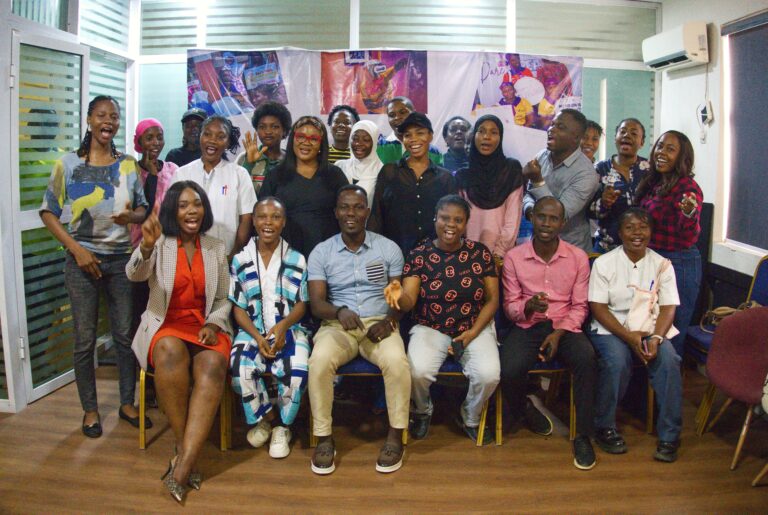
Representatives from HACEY, the Ford Foundation, Lagos State Health District 1, Mosan-Okunola LCDA, frontline healthcare workers and community stakeholders attended the handover.
For Honorable Opeyemi Adunni Akindele, Executive Chairman of Mosan-Okunola LCDA, the upgrade fills a gap that had existed within the community.
“In this area, we had no facility where women could deliver. Now we have a maternity room, delivery beds, and 24-hour solar power.”
But the handover is not the end of the work.
Health workers have received training on equipment use and maintenance, while an equipment maintenance and tracking system will support facility personnel in managing the resources provided.
HACEY will continue working with the facility and relevant health authorities to monitor the use and maintenance of the maternity services, equipment and infrastructure over time.
The long-term value of the investment will depend on whether the facility can continue providing reliable maternity services when women need them.
For families in Akinogun and surrounding communities, the first change is already tangible: care that once required travelling several kilometres is now available closer to home.