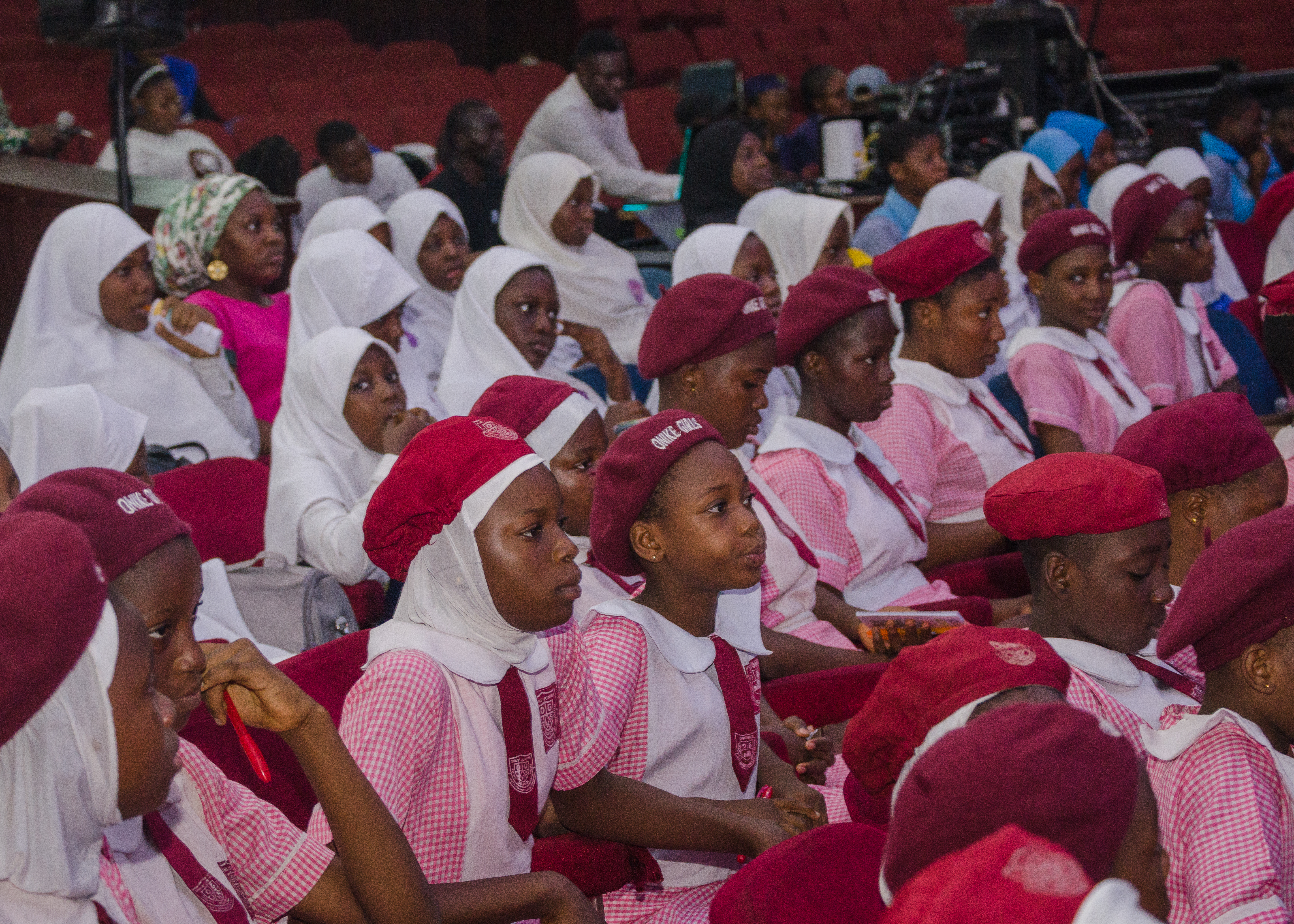
At AIDS 2026, global health leaders agreed on a central truth: we cannot end HIV through clinical interventions alone. Lasting progress requires community-led, gender-responsive action.
During the conference, HACEY brought this strategy to life with a targeted community dialogue: “Rebuilding HIV Prevention for Women and Young People through Integrated Community-Led and Gender-Responsive Action.”
The session served as a practical model for moving beyond top-down declarations and toward grassroots impact.
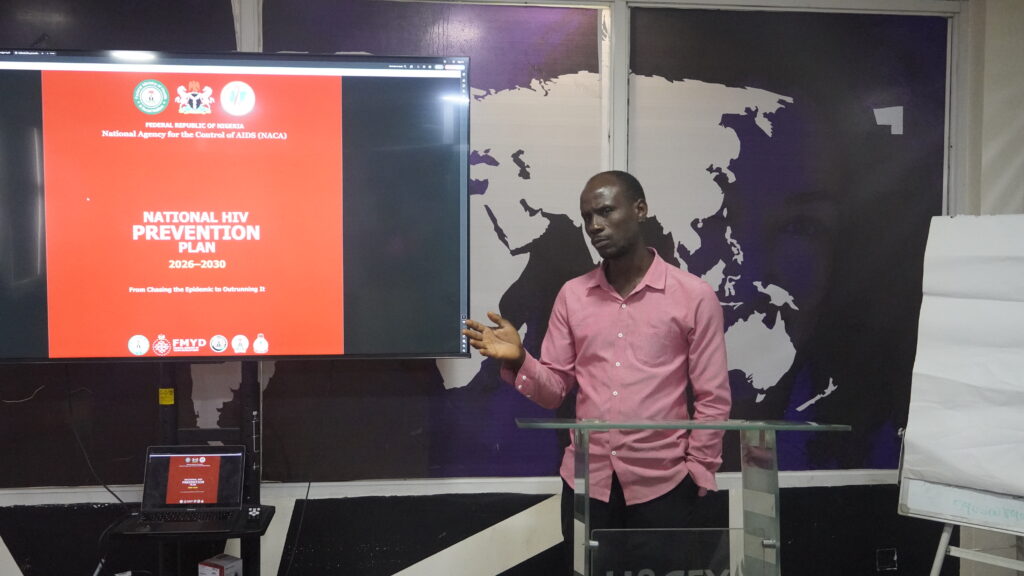
The Reality on the Ground
Data from the July 2026 World Health Organization Information Sheet underscores the stakes:
- 41 million people were living with HIV at the end of 2025.
- 1.2 million new acquisitions occurred in 2025 alone.
- 26.3 million of those living with HIV reside in Sub-Saharan Africa.
While global infections have dropped 42% since 2010, approximately 570,000 people died of AIDS-related illnesses in 2025. Structural inequality, medical mistrust, and systemic stigma continue to block access to life-saving prevention and care.
| Global HIV Metric (WHO 2026 Data) | Statistics |
| People Living with HIV (2025) | 41 Million |
| Sub-Saharan Africa Share | 26.3 Million (64%) |
| New HIV Acquisitions (2025) | 1.2 Million |
| Global Infection Reduction | Down 42% since 2010 |
Key Insights from the HACEY Dialogue
- Busting Myths and Ensuring Equipment Safety
Awareness exists, but critical knowledge gaps remain. Participants examined transmission risks, including overlooked environmental factors like the sterilization of needles and equipment in barber shops and beauty salons. Grounding public health education in clear, accurate facts removes fear and replaces judgment with safety.
- Standardizing Quality and Compassionate Care
Stigma in healthcare settings drives vulnerable populations away from care. The workshop featured a live demonstration on rapid HIV testing, emphasizing temperature-controlled kit storage, strict quality control, and respectful patient communication. When healthcare workers interact with empathy, clinical outcomes improve.
- Youth-Led Action Plans
Young people must design the interventions meant for them. Working in cohorts, participants developed localized outreach models, including a 6-week initiative for the Imam Dauda community targeting youth ages 10–24. By pairing clinical outreach with drama, comics, and peer dialogues, the framework transforms static education into active engagement under a shared message: “Protect yourself, protect others.”
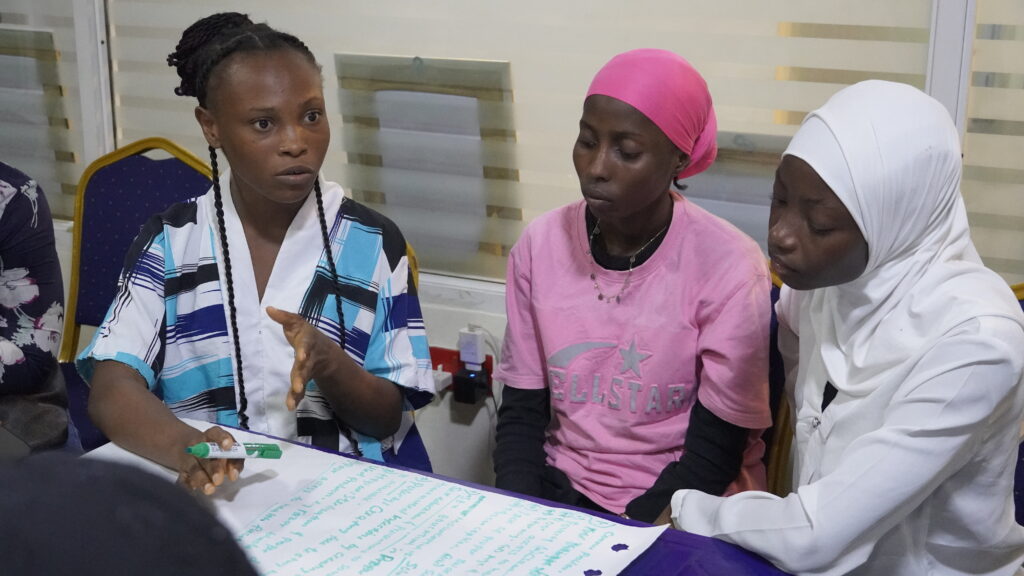
Where Prevention Happens
Global progress toward the UNAIDS 95-95-95 targets depends on local trust. Currently, 88% of people living with HIV globally know their status, leaving 2.9 million people who still need access to testing to close the first gap. Women and adolescent girls face unique social and structural barriers that demand tailored, gender-responsive solutions to close these gaps entirely.
Ending HIV will not happen inside conference halls alone. It happens inside clinics, schools, community centers, and homes where accurate knowledge replaces stigma.
References
- World Health Organization (WHO) (2026). HIV Statistics, Globally and by WHO Region: Information Sheet (July 2026).
- UNAIDS (2026). Special reports for the 26th International AIDS Conference.