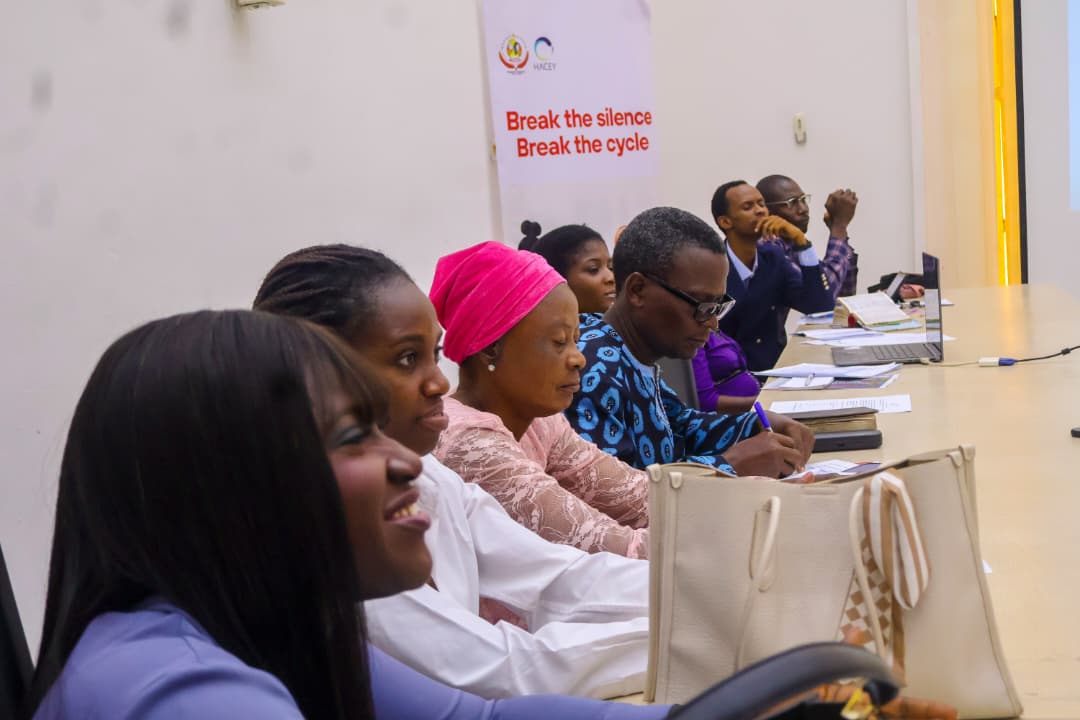
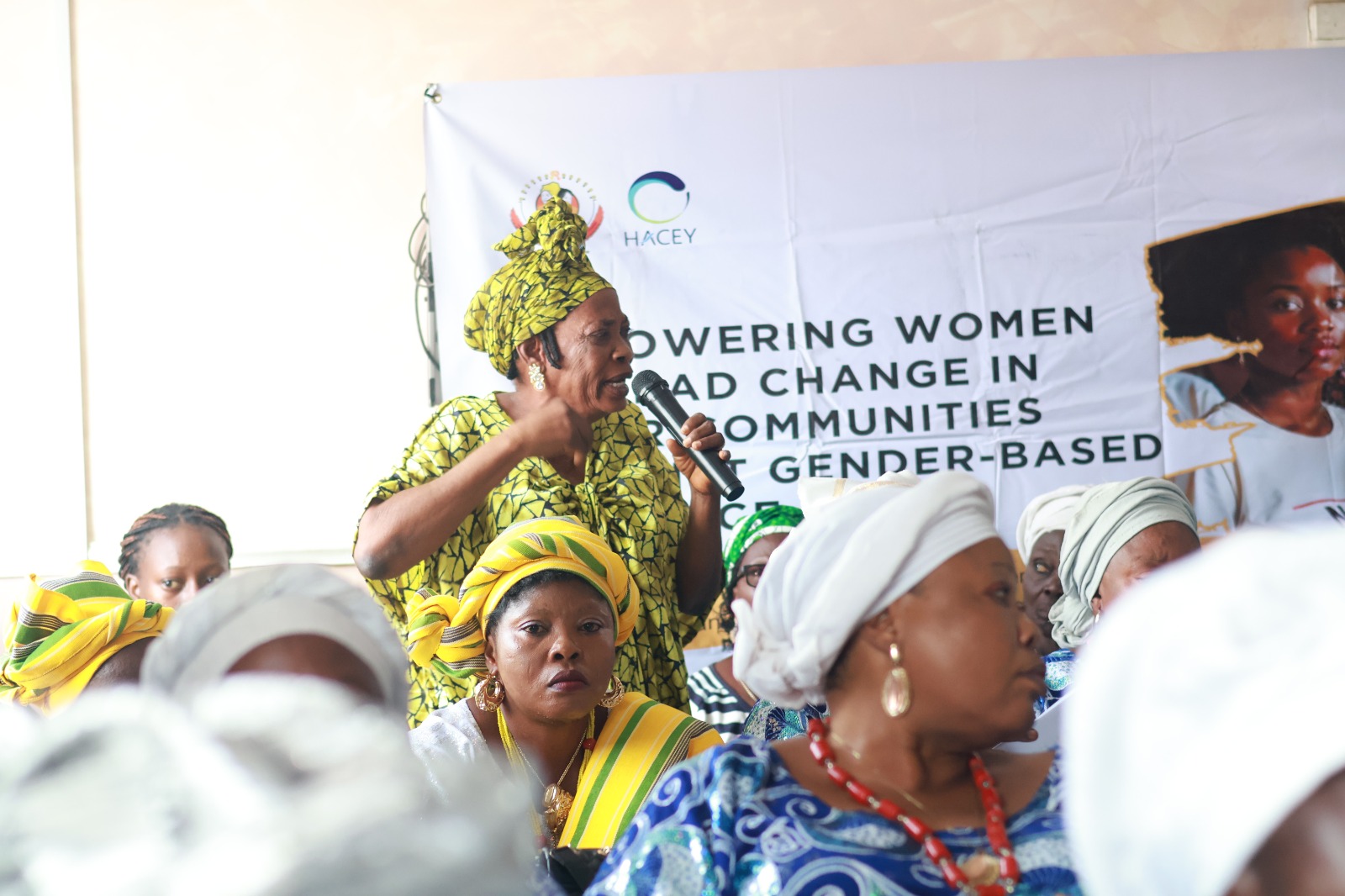
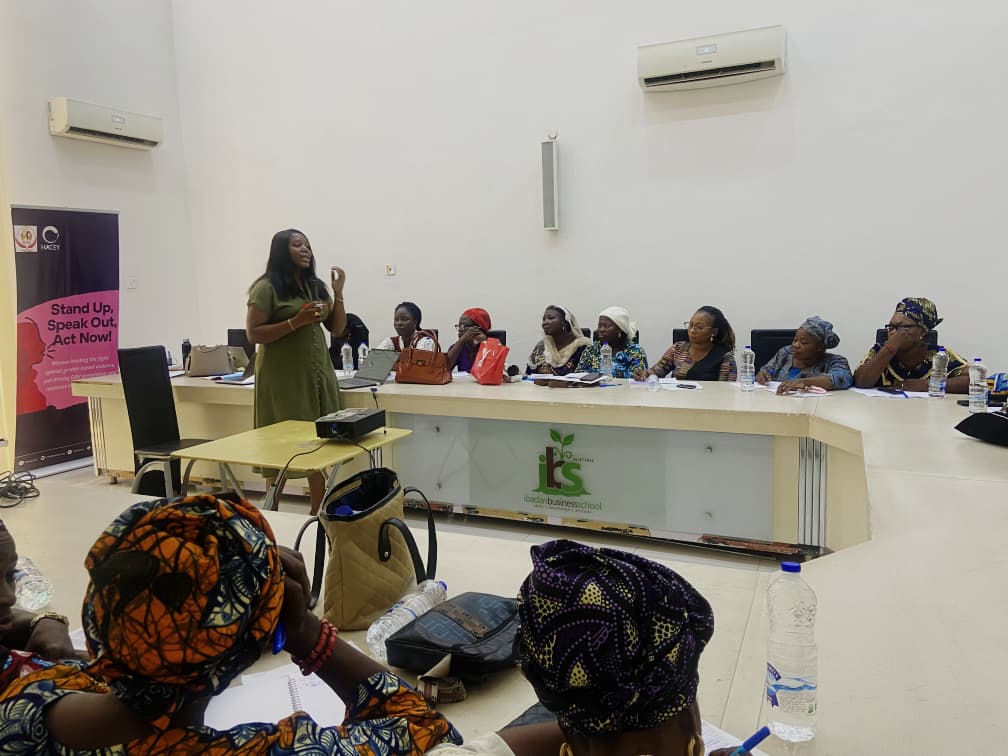
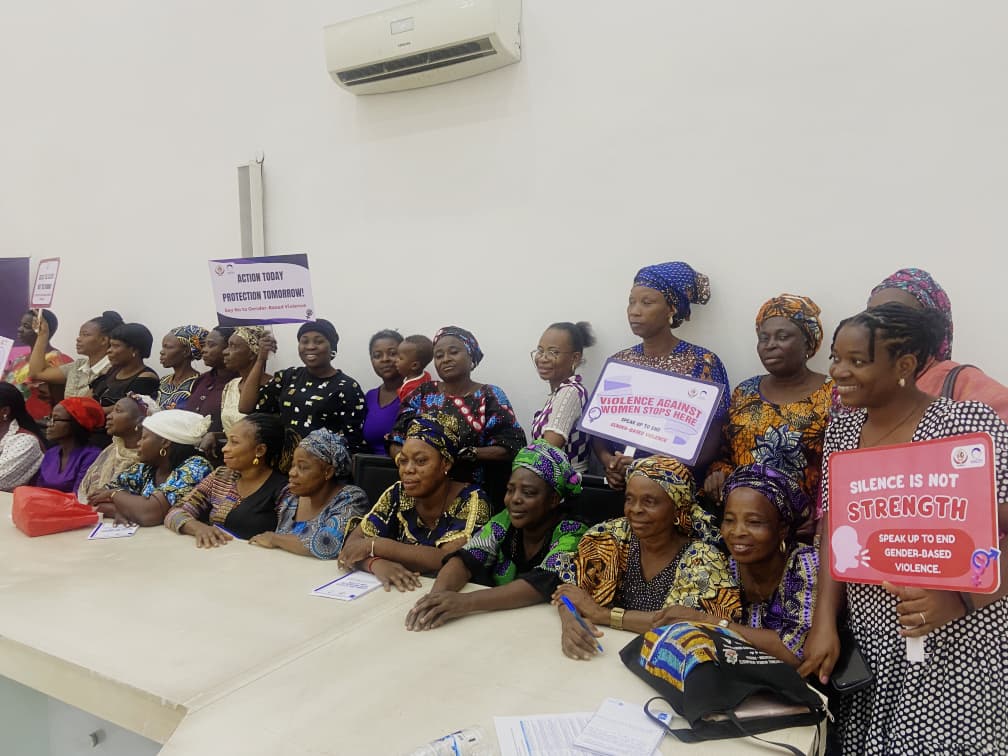
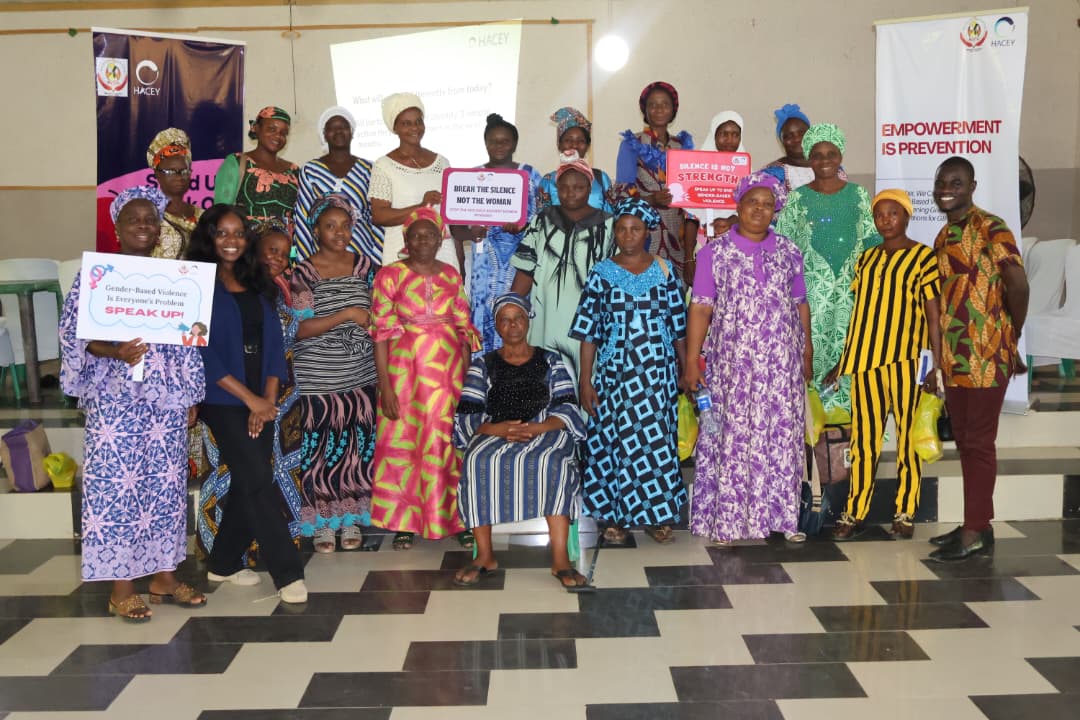
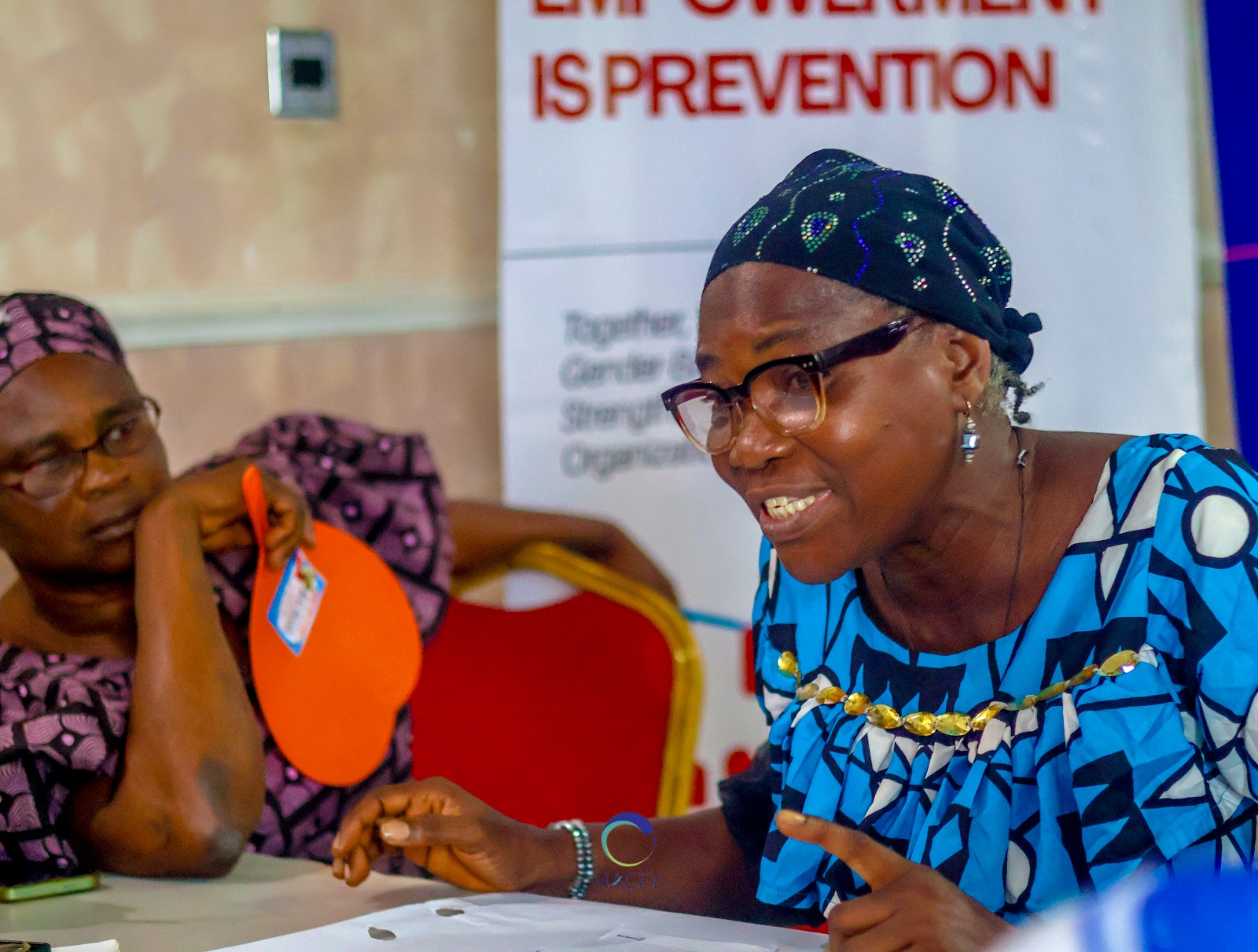
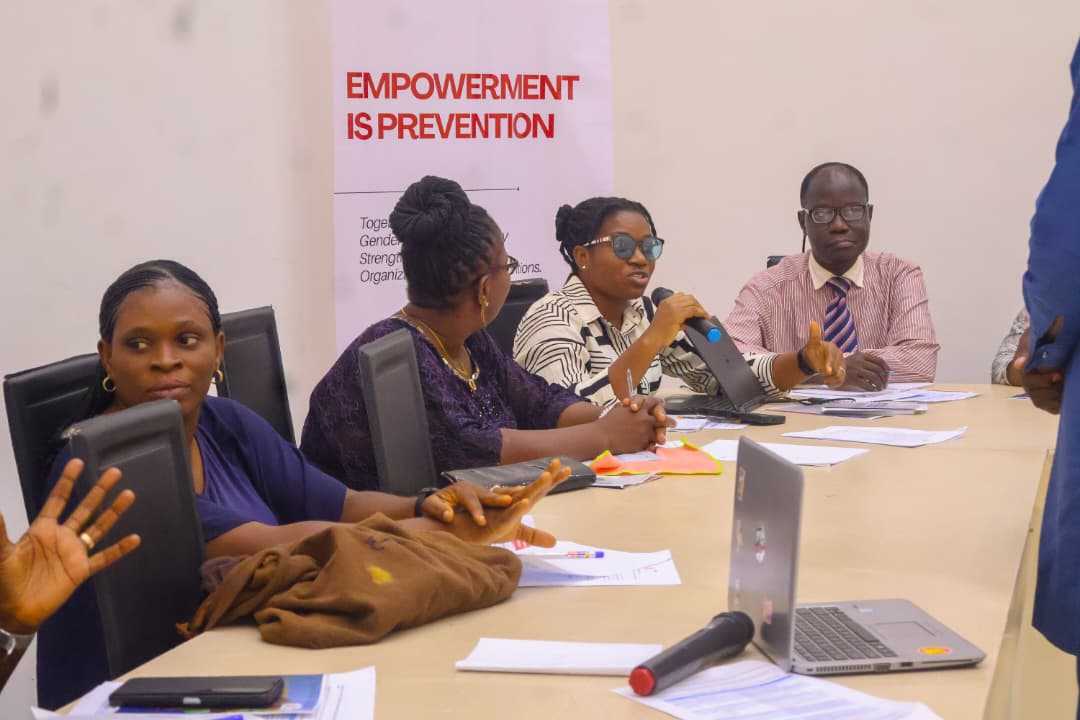
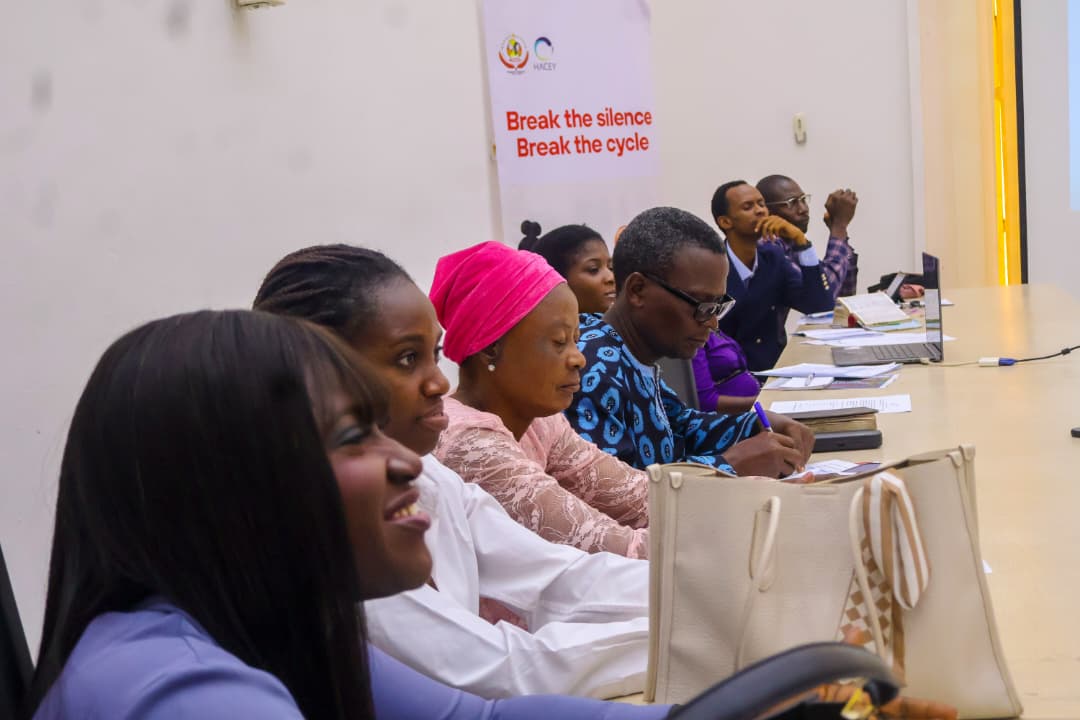
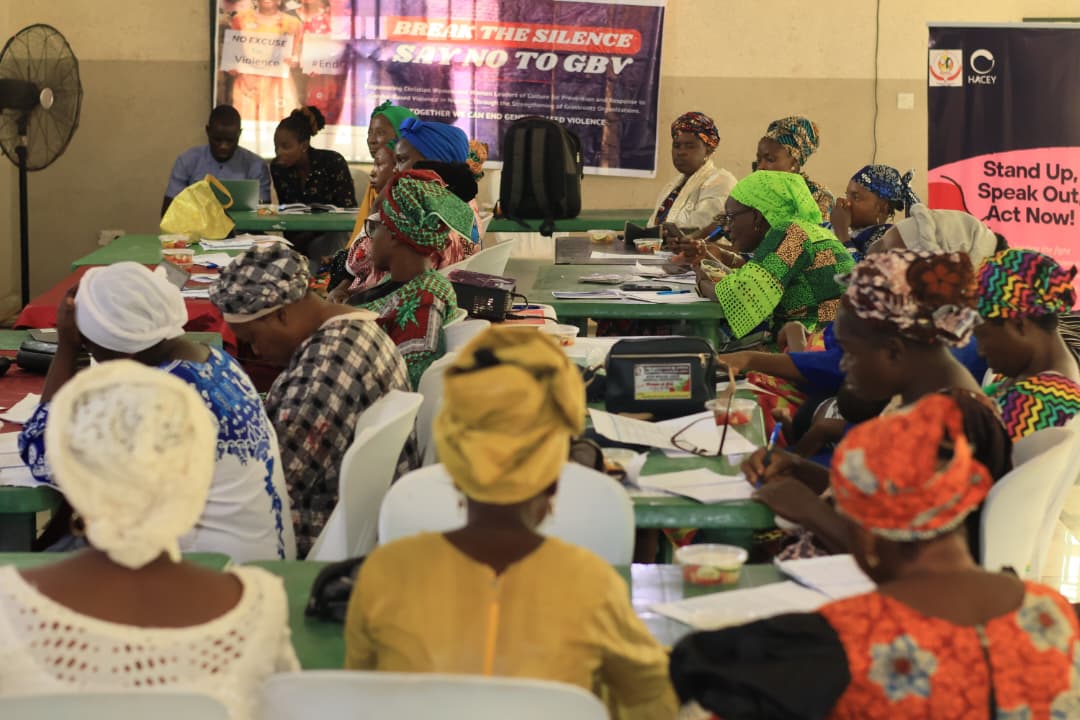
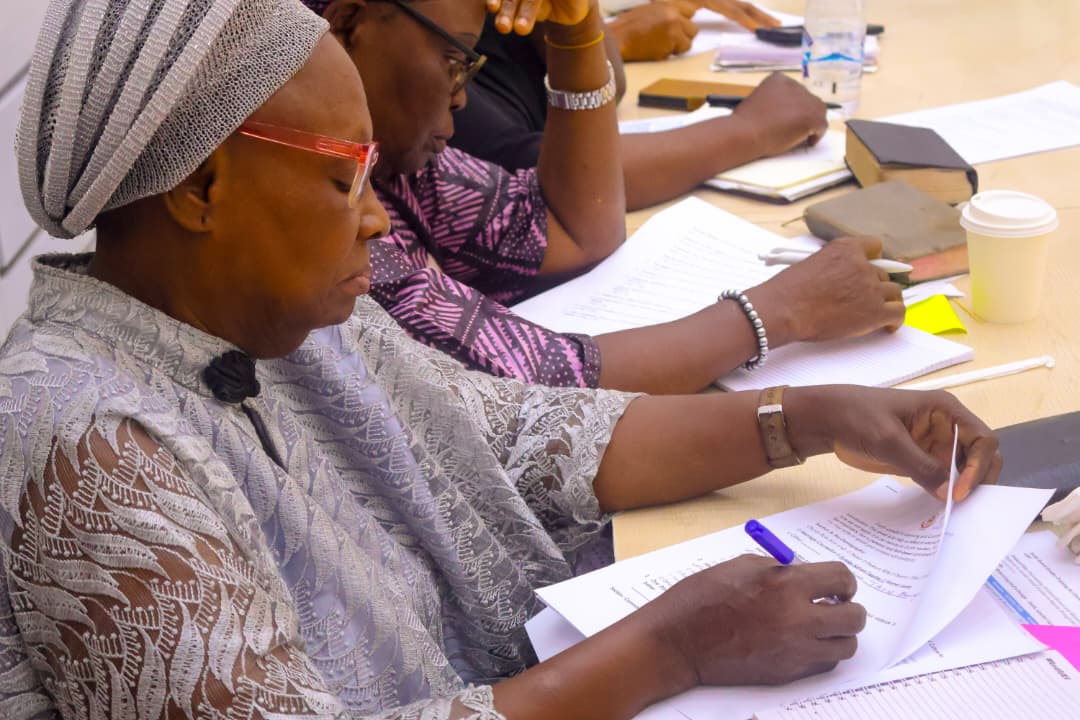
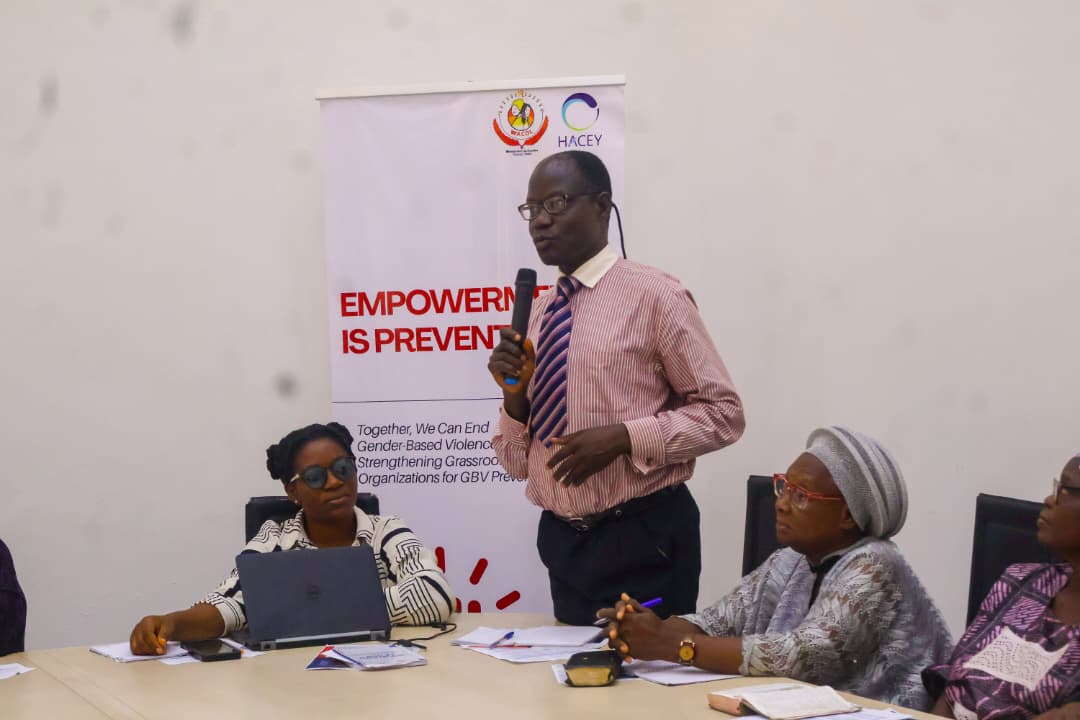
Empowering Christian Women and Women Leaders of Culture for Prevention and Response to Gender-Based Violence in Nigeria, through strengthening grassroots organizations
About the Project
Gender-based violence (GBV) remains one of the most pressing human rights and public health challenges affecting women and girls in Nigeria. An estimated 1 in 3 Nigerian women aged 15–49 has experienced physical or sexual violence, highlighting the urgent need for stronger prevention and response systems. In many communities, deeply rooted cultural and religious beliefs often cause abuse to remain hidden or treated as a private family matter. Survivors are sometimes encouraged to endure violence silently, framed as a test of faith or marital duty. As a result, countless women are left without justice, protection, or access to critical support services.
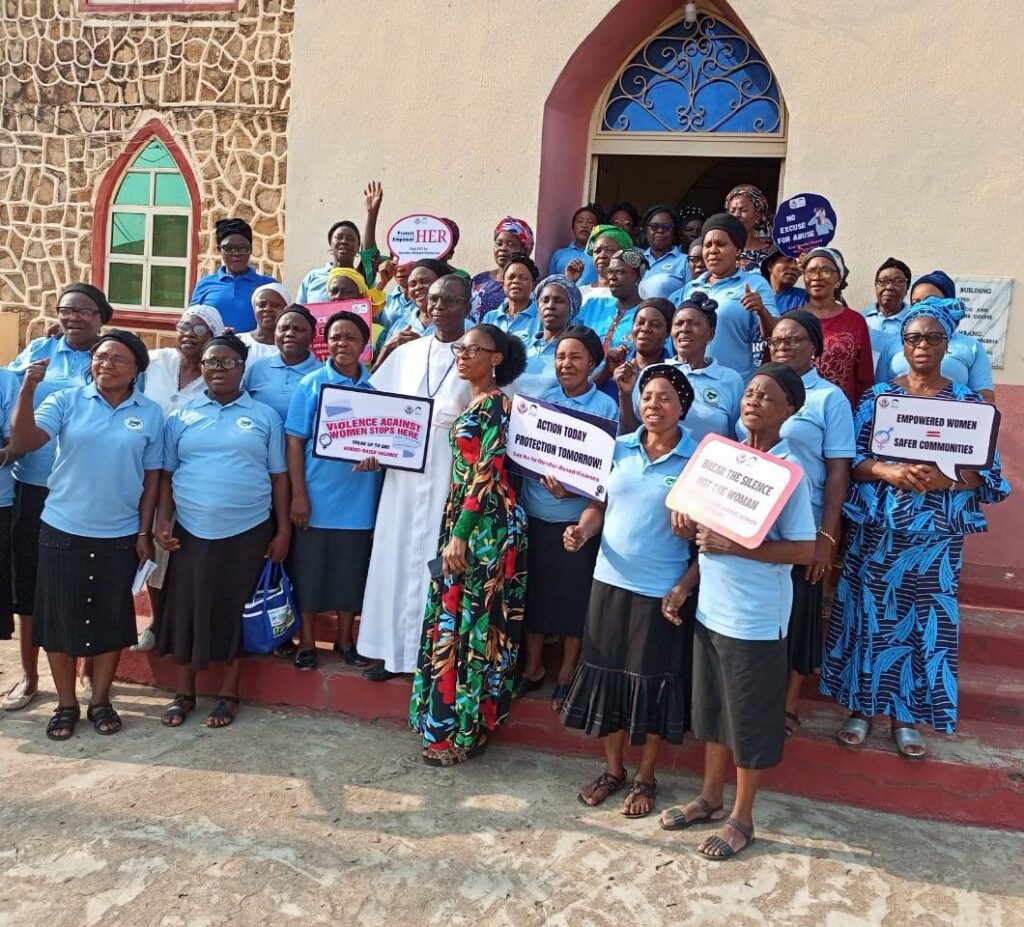
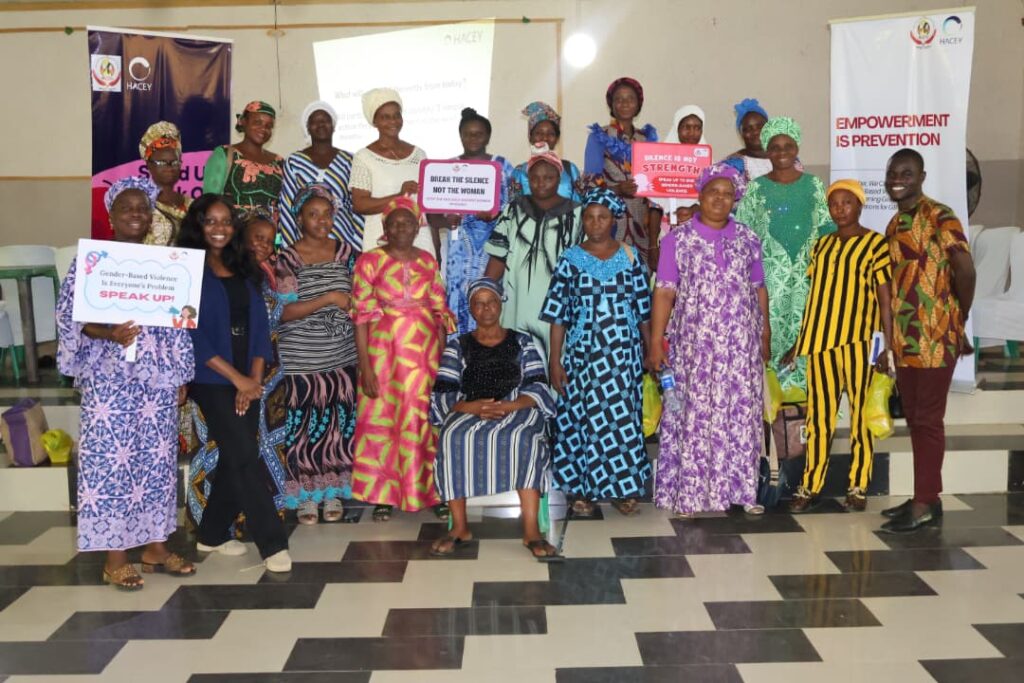
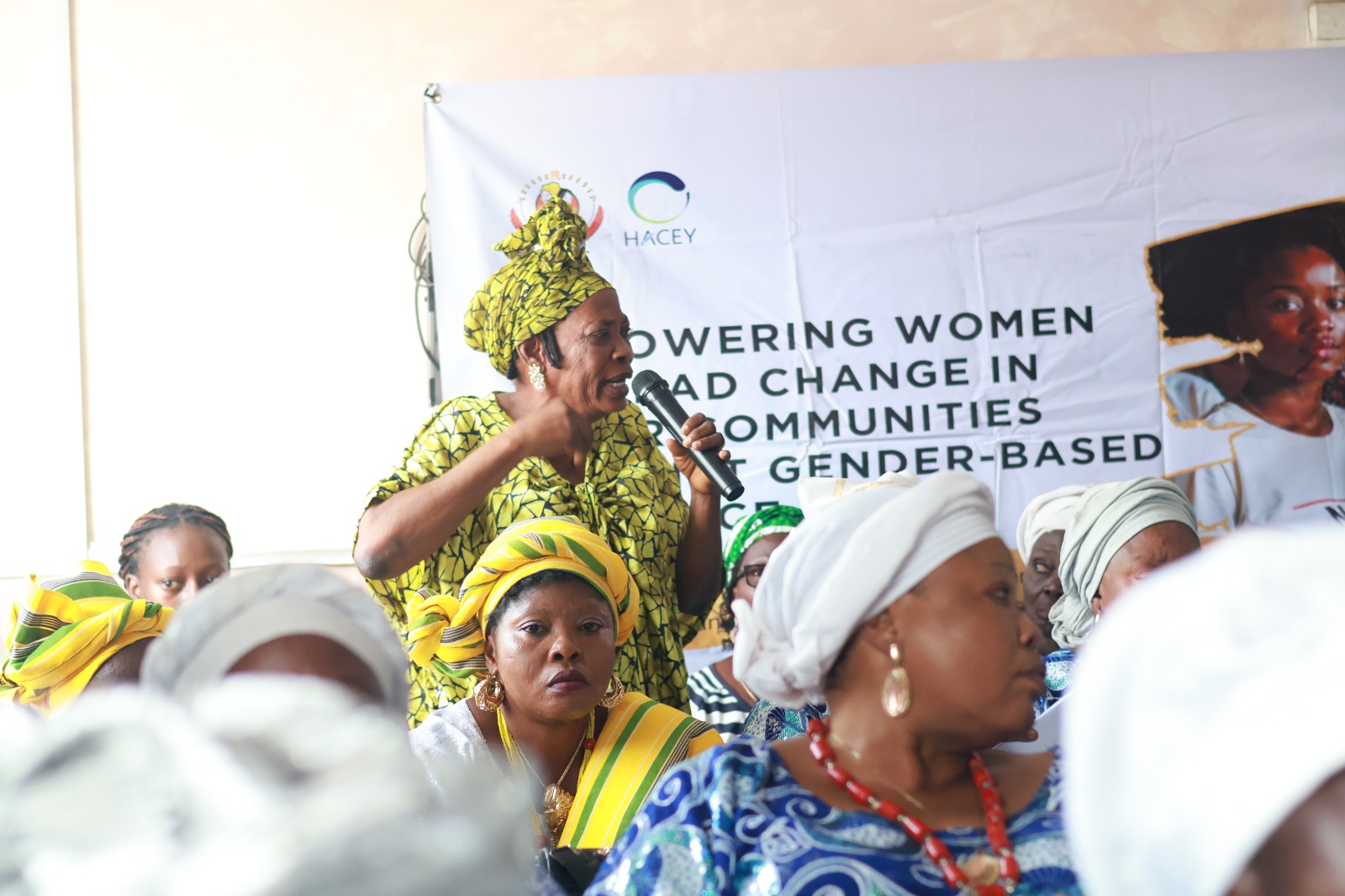
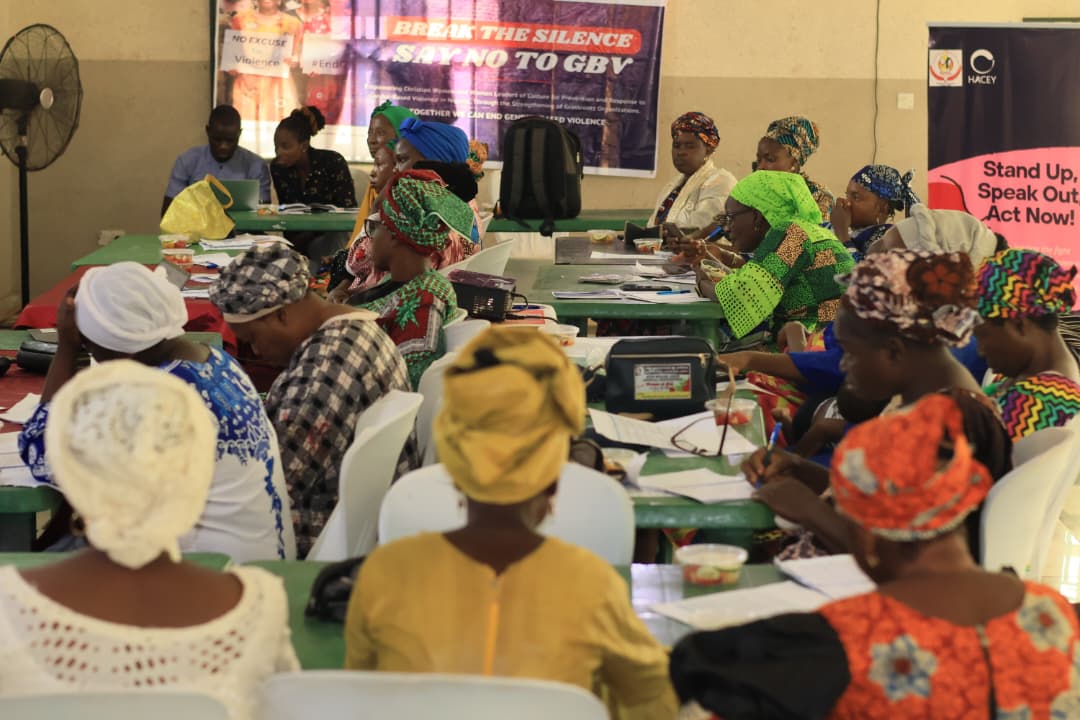
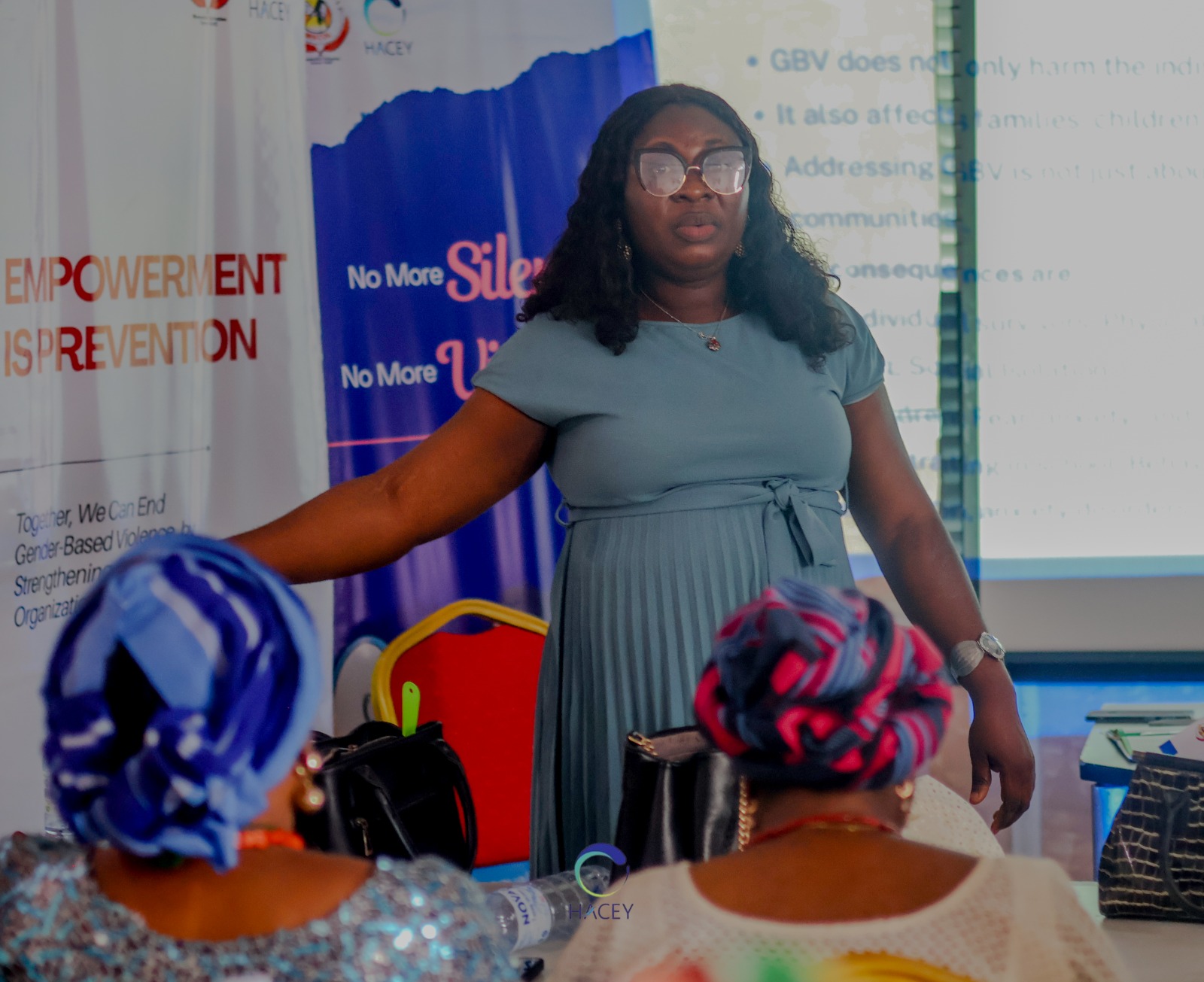
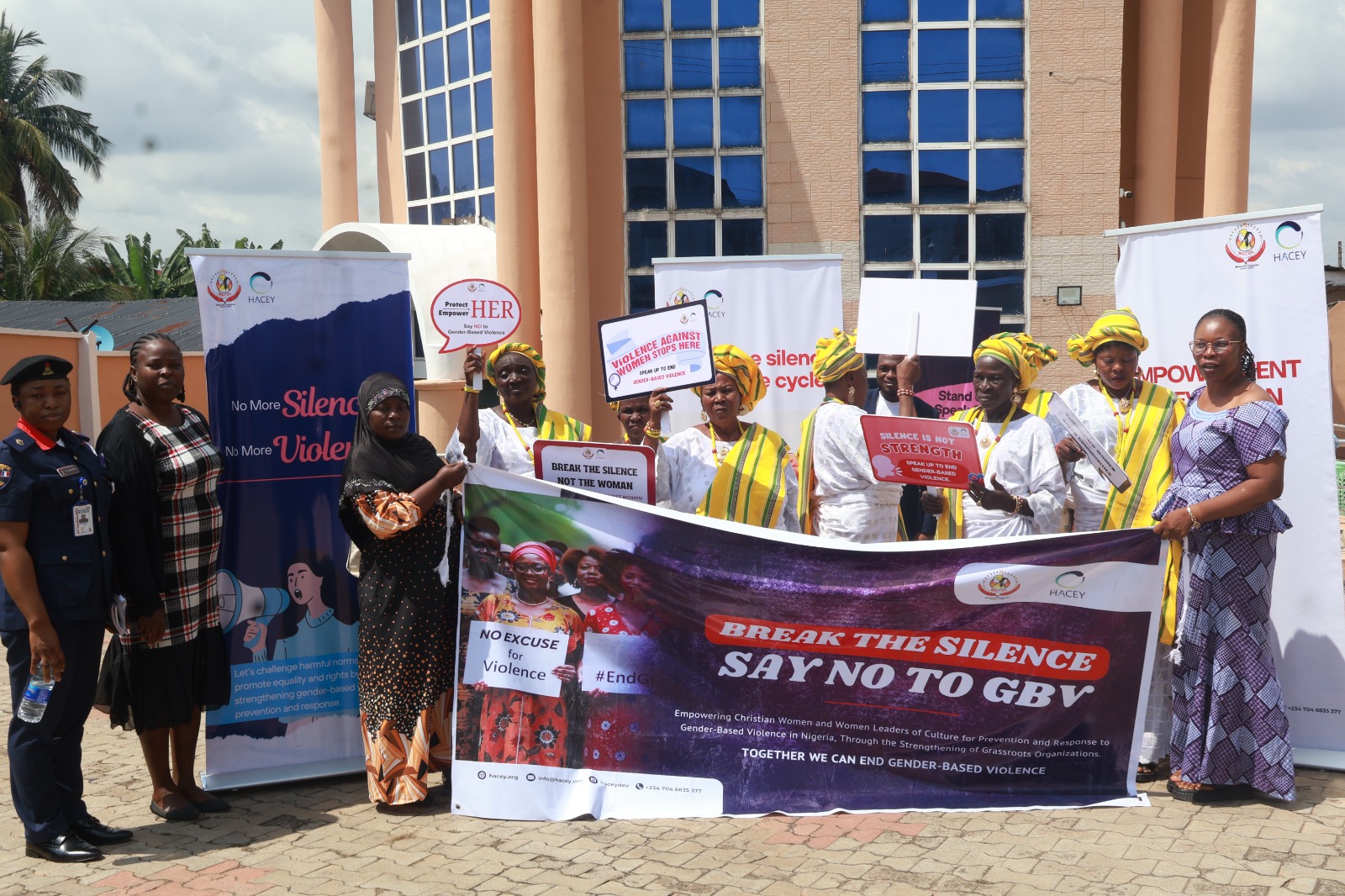
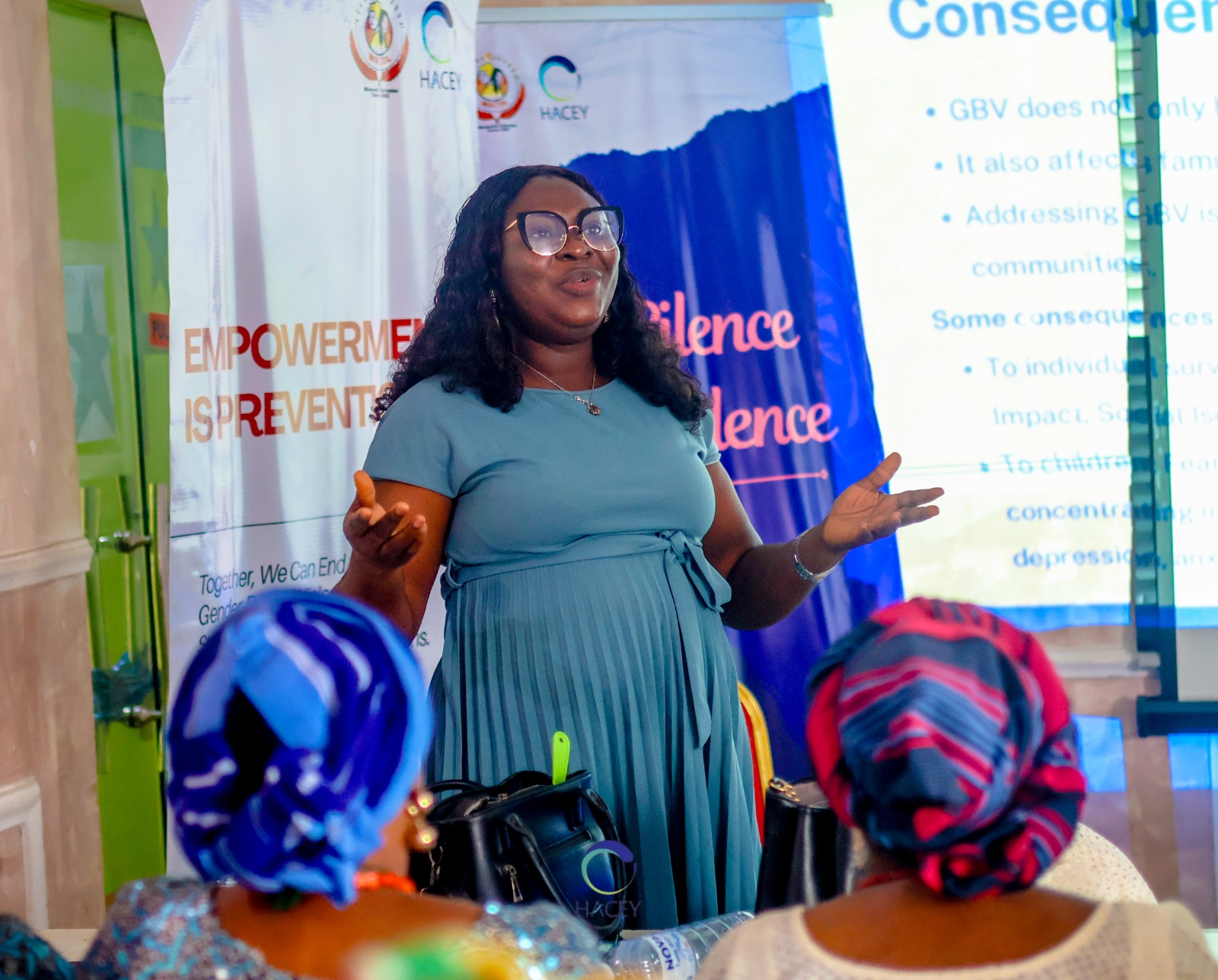
The Empowering Christian Women and Women Leaders of Culture for Prevention and Response to Gender-Based Violence in Nigeria, through Strengthening Grassroots Organizations project addresses this challenge by equipping influential women within faith and cultural institutions to lead change in their communities. By working through churches, cultural institutions, and grassroots networks, the project promotes safer and more inclusive environments where women and girls can live free from violence and discrimination.
Why this work matters
Faith and cultural institutions play a powerful role in shaping values, beliefs, and social norms across Nigerian communities. Christian women leaders and female cultural leaders often serve as trusted advisors, mediators, and mentors within their communities. However, limited awareness of gender rights and entrenched patriarchal attitudes can restrict their ability to respond effectively to gender-based violence.
By strengthening the leadership capacity of these women, the project helps transform faith and cultural spaces into safe, informed, and supportive environments where violence is challenged and survivors are protected.
Impact impact in a glance
Individuals reached
0+
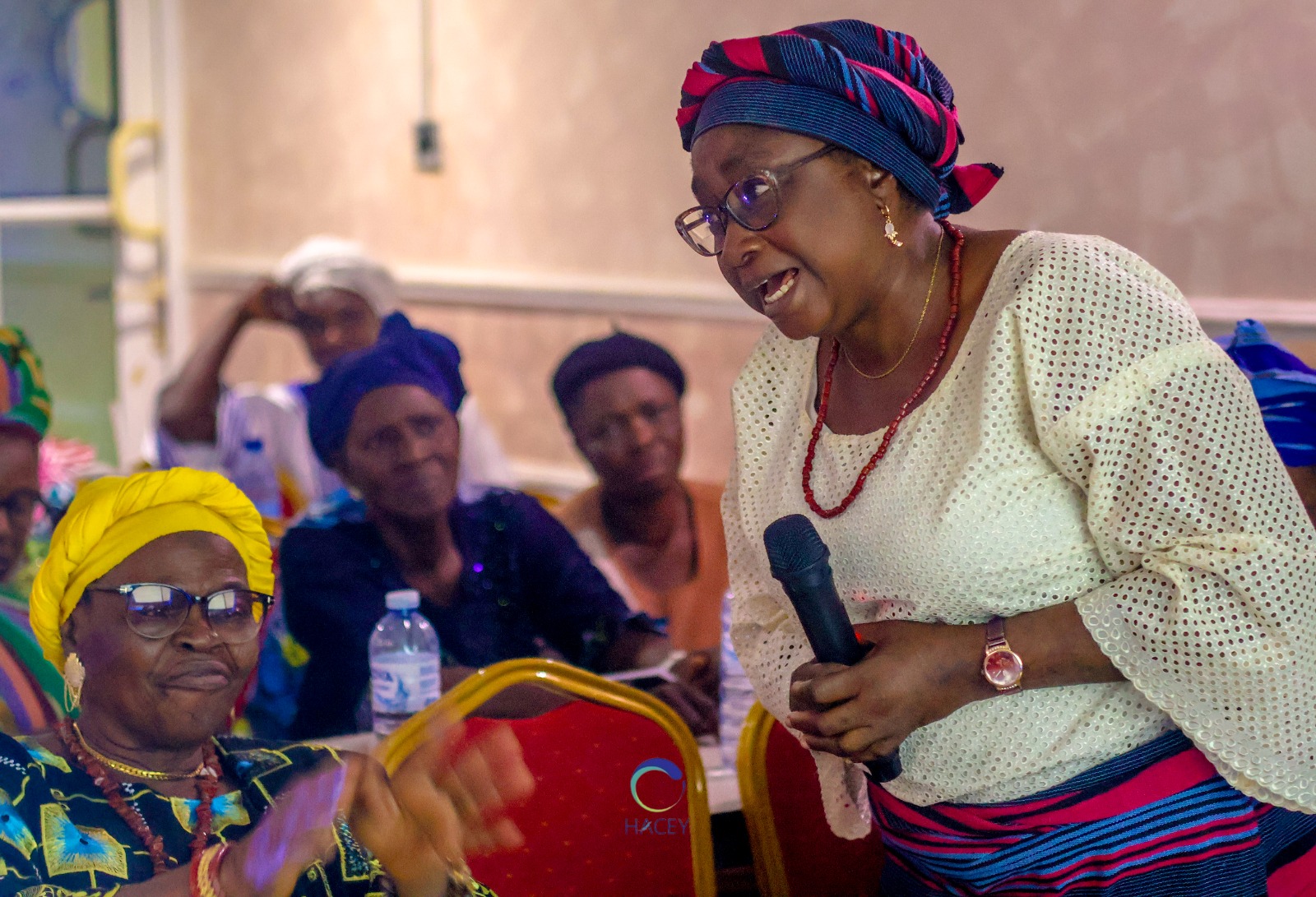
Through targeted training, advocacy, and community engagement, the project is:
Strengthening the leadership and advocacy capacity of Christian women and cultural women leaders
Promoting community awareness on GBV prevention, gender equality, and women’s rights
Encouraging faith institutions to adopt gender-responsive practices
Supporting women leaders to provide guidance and support for survivors of violence
These interventions are helping communities begin to challenge harmful norms and reduce tolerance for violence against women and girls.
Where we work
The initiative focuses on selected communities in Oyo and Osun States in Southwest Nigeria, specifically Bodija and Atiba in Oyo State and Ogo-Oluwa and Ilesa in Osun State, which together represent diverse Christian and cultural settings and clear opportunities to show how faith and tradition can jointly promote equality and prevent violence.
Outcomes
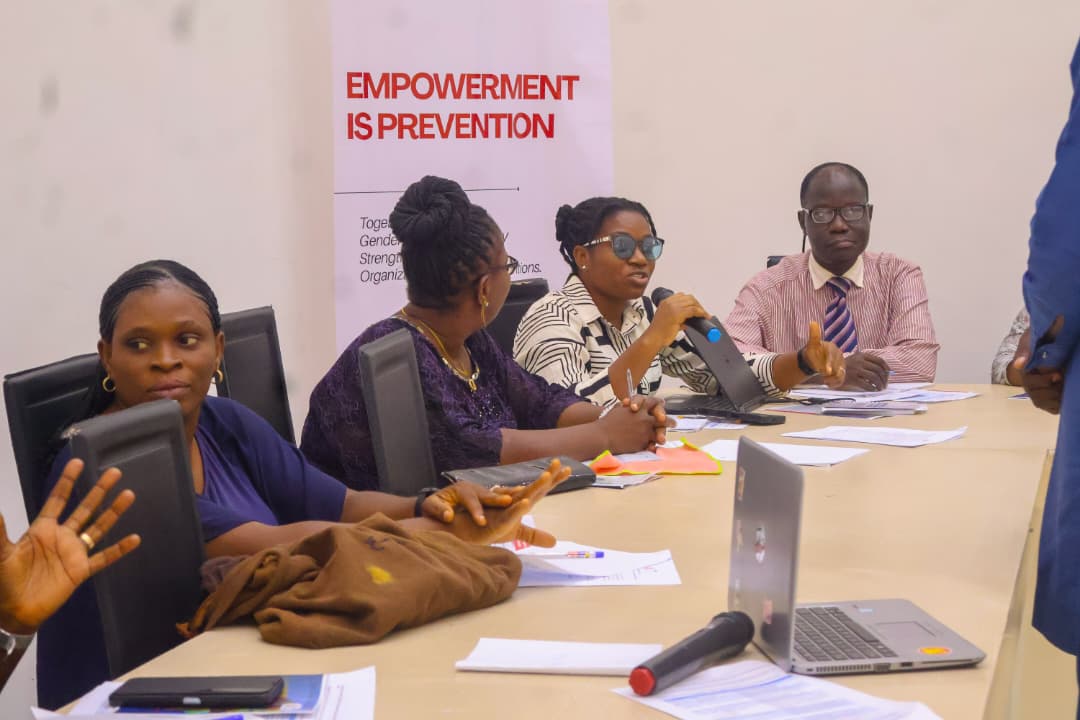
Since its inception, the project has contributed to increasing awareness of gender equality, women’s rights, and GBV prevention among Christian women leaders and women leaders of culture. Through trainings, community dialogues, and advocacy activities:
Women leaders are gaining practical leadership, advocacy, and survivor-support skills
Christian women are increasingly participating in church committees, community forums, and development initiatives
Faith institutions are becoming more inclusive and supportive of women’s leadership
Communities are beginning to question harmful norms and patriarchal attitudes
These shifts are helping lay the foundation for communities where women and girls are safer, respected, and actively included in decision-making processes.
Our long-term vision
By 2035, we envision faith and cultural institutions across Southwest Nigeria modelling inclusivity and safety, where women and girls live free from violence and discrimination and contribute equally to community leadership and development. Through this project and future scale-up, we aim to embed gender equality and GBV prevention into the everyday life of churches, cultural systems, and communities.