
Platform for Amplifying the Voice and Empowerment of Girls
The PAVE Fellowship
A structured leadership and development programme that helps adolescent girls build knowledge, confidence, practical skills and networks, so they can make informed decisions and lead positive change in their schools and communities.
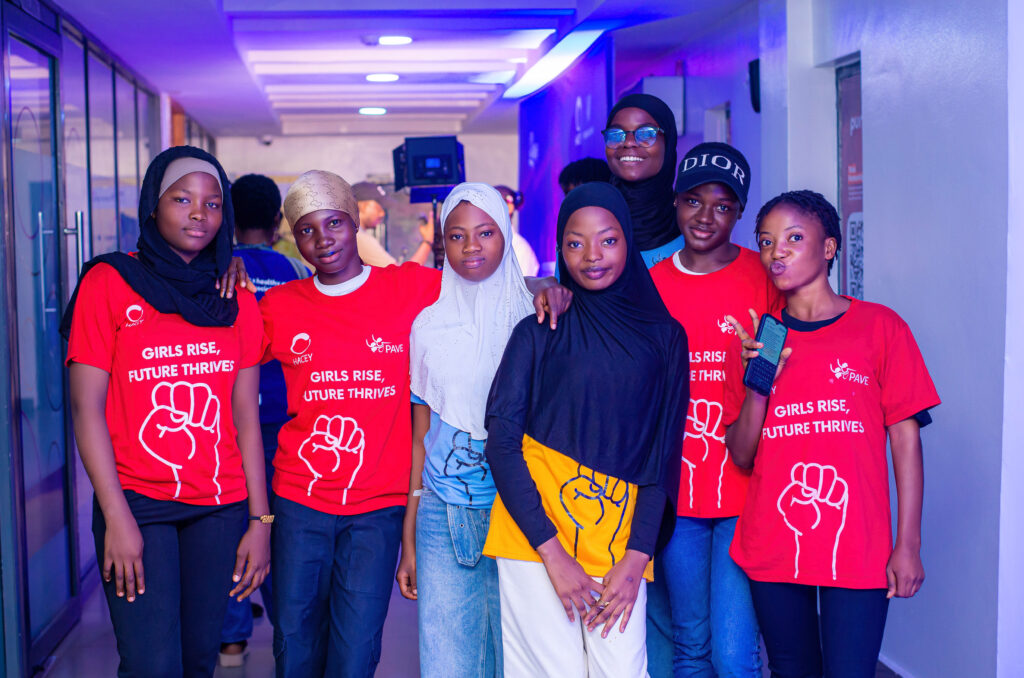
Eligibility
13–16 years
3-day
in-person induction bootcamp
1 skill track
chosen by every Fellow
Quarterly
mentor engagement, at minimum
No experience
needed to apply
Programme overview
More than a series of classroom sessions
The Fellowship combines a three-day induction bootcamp, continuing learning sessions, practical skill acquisition, creative electives, mentorship, individual and group projects, peer education, community service, and opportunities for networking and recognition.
Fellows put what they learn into practice throughout. The wider PAVE Project operates across communities in Lagos and Ogun States, and this intake recruits girls aged 13–16 from Alimosho and Shomolu.
Who it is for: girls who are interested in learning, leadership and community improvement, and who can take part in regular activities. Previous experience as a leader, volunteer or skilled practitioner is not required.
What the Fellowship aims to build
Leadership, confidence, communication, critical thinking, teamwork and decision-making.
Understanding of personal health, sexual and reproductive health and rights, mental wellbeing, safety and prevention of gender-based violence.
Digital, creative and vocational skills that can support further education and future careers.
Connections with professionals, technical mentors, women leaders and role models.
The ability to spot community issues, design solutions, carry out projects and share the results.
Peer networks and a route into alumni and volunteer engagement after completion.
How it works
The Fellowship journey
1
Apply or be nominated
Open applications, plus nominations from schools, Safe Spaces and trusted community contacts.
2
Screening and interview
A phone screening, then a physical interview on motivation, reliability and communication.
3
Three-day bootcamp
In-person induction planned around school breaks: goals, expectations, safeguarding and team-building.
4
Regular learning
Guided lessons, practical activities, and resources designed to build skills step by step.
5
Projects in action
An individual project and a group community project, with guidance throughout.
6
Complete and join alumni
A Fellowship certificate for those who meet completion requirements, and entry to the PAVE alumni network.
A typical month
After induction, Fellows take part in regular activities rather than one-off lectures. Not every activity is a full-day physical meeting: some assignments and mentor engagements may happen in other formats.
Core learning
Age-appropriate sessions on leadership, health, life skills, safety and responsible technology use
Practical skill training
Guided practice, assignments and outputs within each Fellow’s selected skill track.
Mentorship and project work
Discussion with mentors, project planning, field-learning or supervised community action.
Showcase and peer engagement
Presenting work, feedback, networking, and selected Safe Space support or peer education.
The Fellowship Journey
Eight Modules Every Fellow Completes
01
Leadership and becoming a changemaker
Recognising community problems, planning solutions, mobilising peers and speaking up constructively.
02
Life skills and personal development
Communication, confidence, goal setting, decision-making, negotiation, teamwork and positive relationships
03
Personal health and SRHR
Puberty, menstruation, healthy relationships, bodily autonomy, reliable health information and referral pathways
04
Gender-based violence prevention
Understanding harassment, bullying and consent, recognising risks, and knowing how to seek help and report
05
Mental health and wellbeing
Understanding emotions, handling stress, healthy coping, peer support boundaries and finding counselling support.
06
Financial literacy and entrepreneurship
Needs versus wants, saving, budgeting, and an introduction to enterprise planning, costing and pricing.
07
Digital literacy, online safety and ethical AI
Protecting accounts and data, spotting scams and misinformation, and using AI responsibly for schoolwork and research.
08
Creativity and communication
Developing and presenting ideas through creative practice, storytelling and collaborative assignments.
Practical skills and electives
Choose a skill track and make something real
Each Fellow chooses one track, subject to availability, resources and placement arrangements. Tracks include trainer-led demonstrations, guided exercises, assignments and an end-of-track output.
Graphic Design
Creating visual materials such as posters, flyers and layouts.
Content creation
Preparing useful and responsible digital content, including basic visual and written materials.
Aesthetics and beauty
Introductory hands-on beauty and personal-care techniques.
Catering and baking
Practical food preparation, baking and presentation.
Fashion design
Basic garment concepts, measurement and related practical work.
Bag and shoe making
Introductory techniques for creating fashion accessories.
Creative electives
Fellows may also join electives in drama and poetry, cinematography, volunteering or music, space for self-expression, creative collaboration and confidence.
Mentorship, exposure and networks
Learning that leaves the classroom
Mentors include professionals, entrepreneurs, creatives, women leaders, advocates and technical practitioners. They share experience, offer career and education guidance, discuss leadership and goal setting, and give feedback on Fellows’ interests and skill tracks.
Mentor engagement is planned at least quarterly, including a chance to meet a changemaker mentor. Learning visits to places such as media organisations, studios, technology organisations, businesses or vocational centres have clear learning goals, reflection afterwards, and depend on approved arrangements and consent.
Girls from different communities also connect through presentations, games, shared experiences and facilitated discussions.
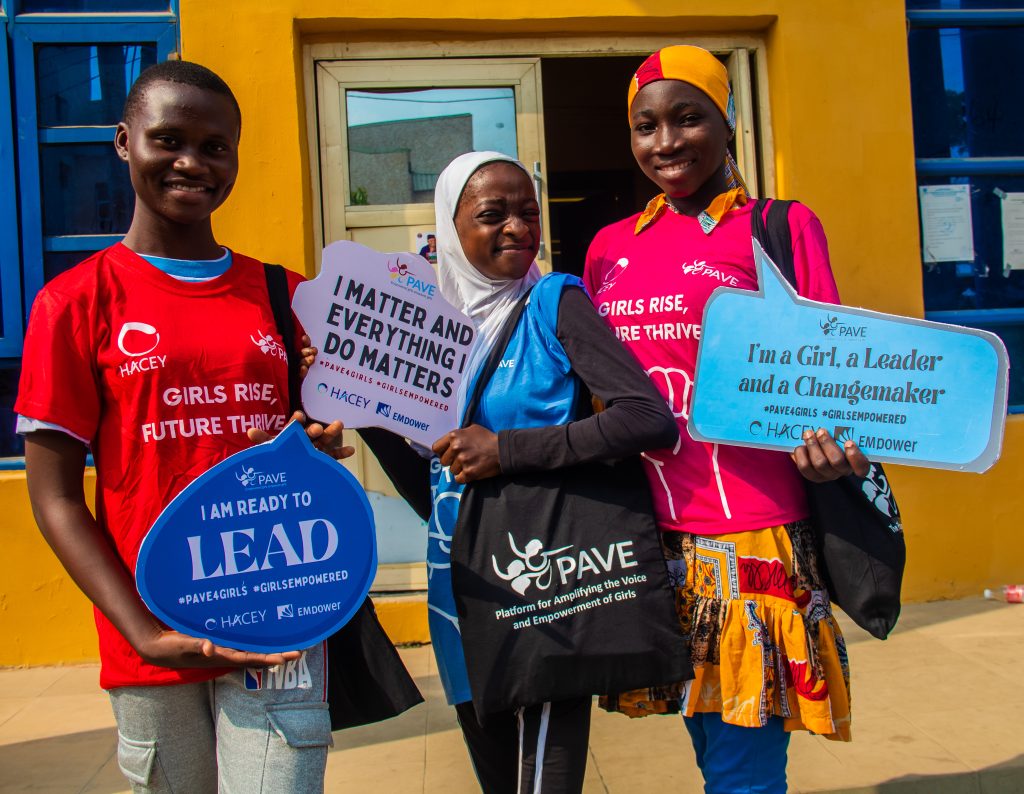
Showcases and recognition
A monthly skills showcase lets Fellows present products, designs, photographs, videos, performances, written content and project work, and get feedback. Quizzes, debates, public-speaking challenges, creative competitions and project presentations add to the mix, including a possible larger PAVE-ATHON.
Projects and community service
Learning that leaves the classroom
Individual project
A small practical product, a design portfolio, educational content, an advocacy activity or a digital output, linked to the Fellow’s own interests.
Group community project
Fellows identify an issue affecting girls or their neighbourhood, gather information, agree an achievable response, plan it, carry it out with guidance, document what happened and present the lessons learned.
Past issues might include bullying, online safety, girls’ education, menstrual health or sexual harassment.
Girl Empowerment Champions
As they grow, Fellows can serve as Girl Empowerment Champions and peer educators.
This role includes supporting approved Safe Space activities, helping other girls find reliable information, joining awareness campaigns, producing youth-friendly content and sharing feedback on the programme.
Fellows do not replace qualified facilitators, counsellors or staff. Sensitive cases are always referred to designated adults.