In many Nigerian communities, gender-based violence does not begin with a slap. It begins with silence. It begins with the advice women receive when they are hurting: “Just pray about it.” “Keep quiet for the family.” “You are not the only one going through it.” These phrases are spoken with good intentions, but they prolong pain, deepen isolation, and in some cases cost lives.
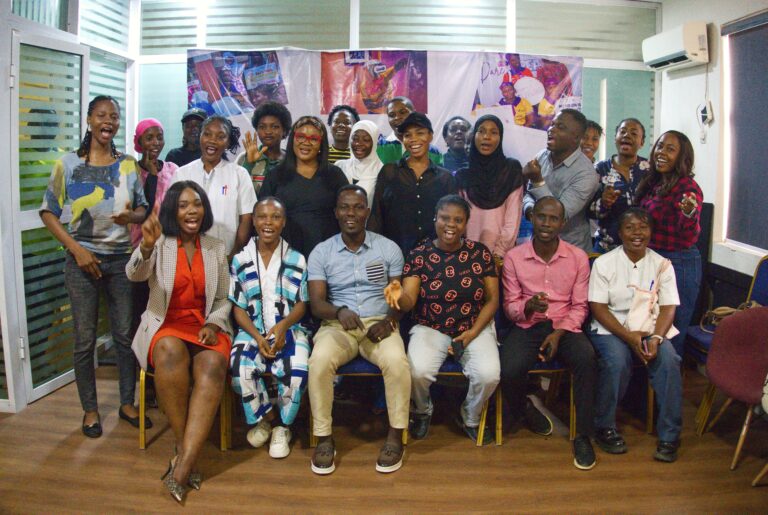
Recent church-based community dialogues in Oyo State created a space where men and women examined how faith teachings and social expectations shape responses to gender-based violence. Church members, community leaders, and trained women facilitators discussed how religious and cultural values can protect women or unintentionally enable harm.
The conversations tackled a difficult reality: spiritual advice given to women experiencing violence often becomes part of the problem. Phrases like “continue praying,” “endure for the sake of your children,” or “do not expose the family” are offered as solutions. While prayer and reconciliation matter in faith communities, these responses can trap women in dangerous situations. One participant put it clearly: “If a woman speaks and we tell her to keep quiet for the family, we may be sending her back into danger.” This observation shifted the dialogue. It did not reject faith. It challenged how faith advice gets applied when safety is ignored.
Scripture became a tool for re-examination rather than justification. Participants turned to Genesis 1:27 and Galatians 3:28, passages affirming that women and men are created in God’s image and equal before Him. The discussion reframed faith not as a barrier to addressing gender-based violence but as a foundation for dignity, justice, and protection.
The responsibility of church leaders emerged as a key concern. One woman noted: “Not everyone is safe to confide in. Some people will only spread the matter further.” This recognition led to practical discussion about safer responses. The first reaction matters. Blame and silence harm survivors. Simple statements like “I am sorry this is happening” and “Your safety matters” begin a different kind of support.
PROJECT :Empowering Christian Women and Women Leaders of Culture for Prevention and Response to Gender-Based Violence in Nigeria, through Strengthening Grassroots Organizations