
GATEKEEPERS OF SAFETY: The Role of Traditional Leaders in Protecting Women from Violence.
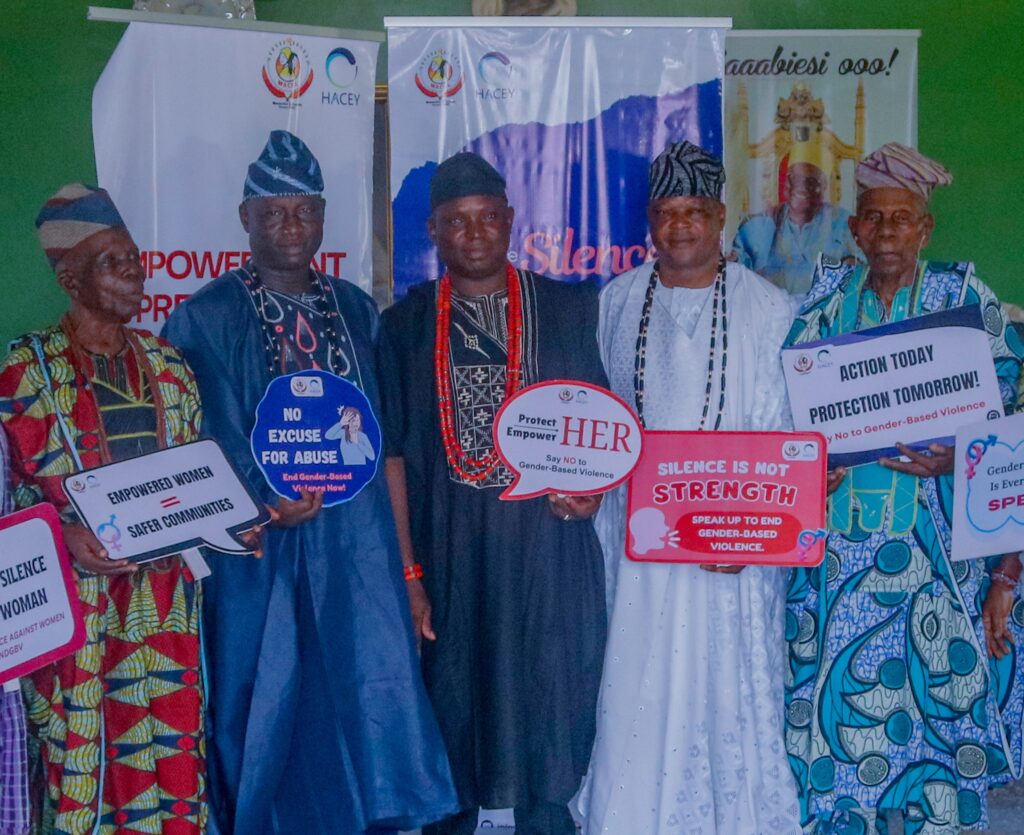
Whether acknowledged or not, traditional leadership in Nigeria, seats at the center of response. In many communities, influence does not sit in formal institutions alone, it begins in palaces, council gatherings, and quiet conversations with those who hold cultural authority, it sits with traditional leaders, Obas, chiefs, and council elders that are not just custodians […]
“Keep Quiet” vs “We Will Help You”: The Words That Shape Women’s Safety.
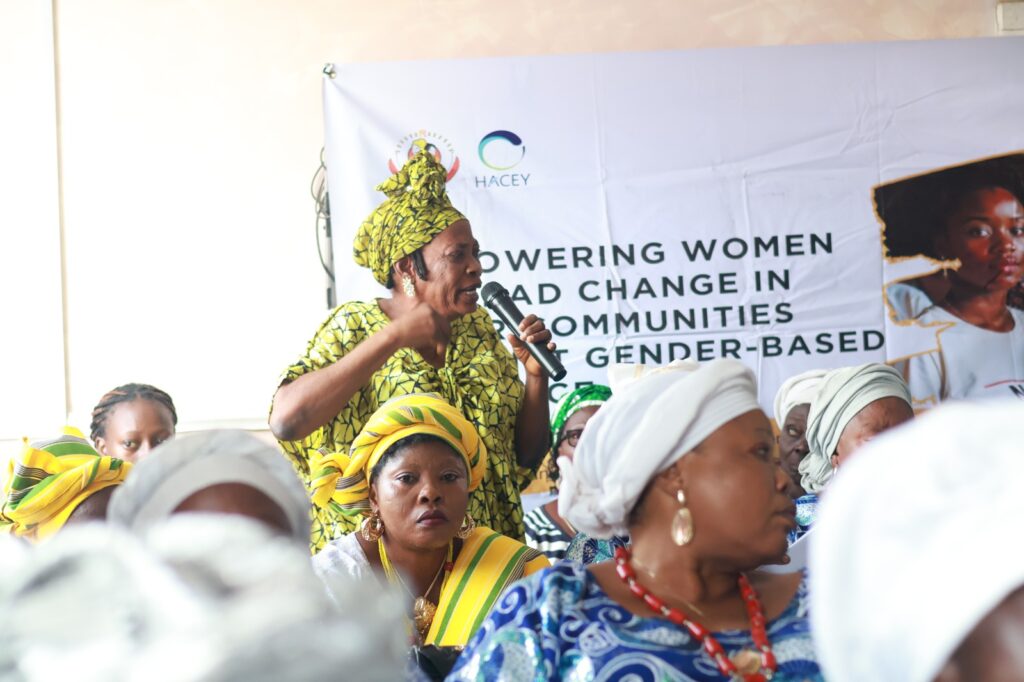
In moments of crisis, the first response a woman receives can shape everything that follows. For many women experiencing violence, that response comes not from formal institutions, but from people within their community, family members, neighbors, or trusted elders. The words used in these moments carry weight. “Don’t expose the family.”“Manage it quietly.”“These things happen […]
WHEN SILENCE PROTECTS VIOLENCE: Lessons from Church Dialogues on Gender and Faith
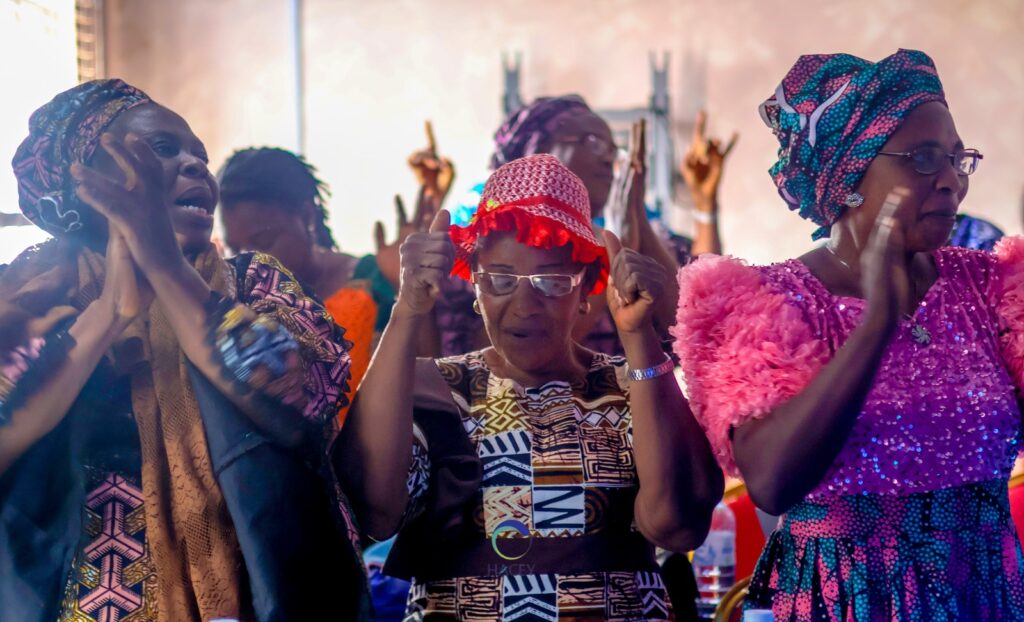
In many Nigerian communities, gender-based violence does not begin with a slap. It begins with silence. It begins with the advice women receive when they are hurting: “Just pray about it.” “Keep quiet for the family.” “You are not the only one going through it.” These phrases are spoken with good intentions, but they prolong […]
BEYOND PRAYERS : Turning Faith into Protection for Women
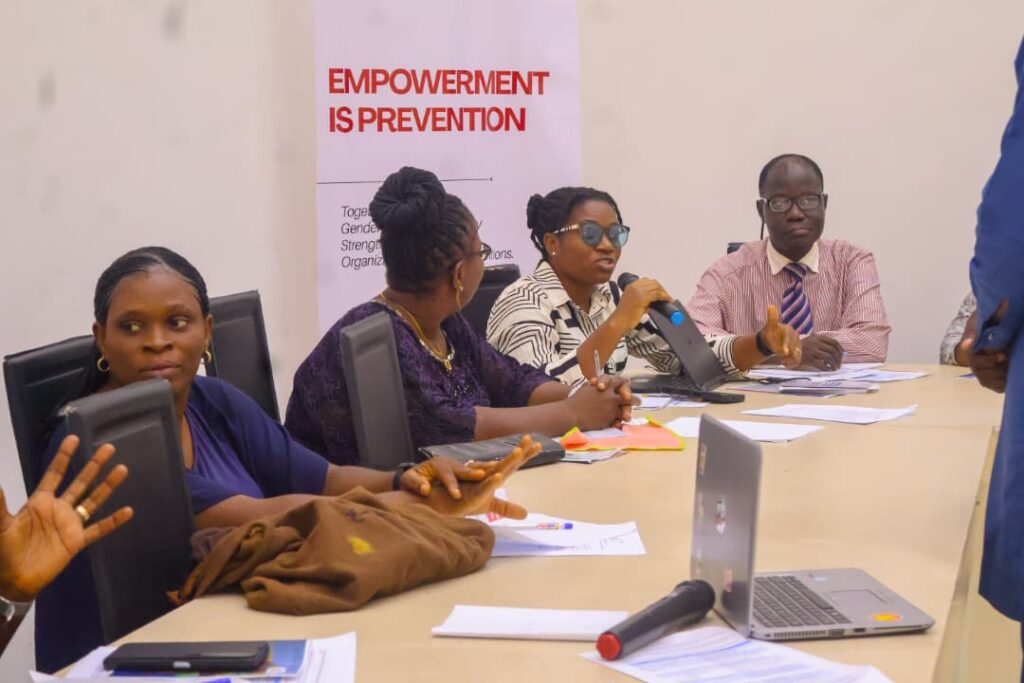
Conversations about gender-based violence often end where they should begin, with reflection, agreement, and a shared sense that something must change. But dialogue, on its own, is not the goal. Its true value lies in what follows, in whether it disrupts привычные patterns and leads to decisions that make people safer in real, practical ways. […]
Men’s Involvement in Addressing Gender-Based Violence
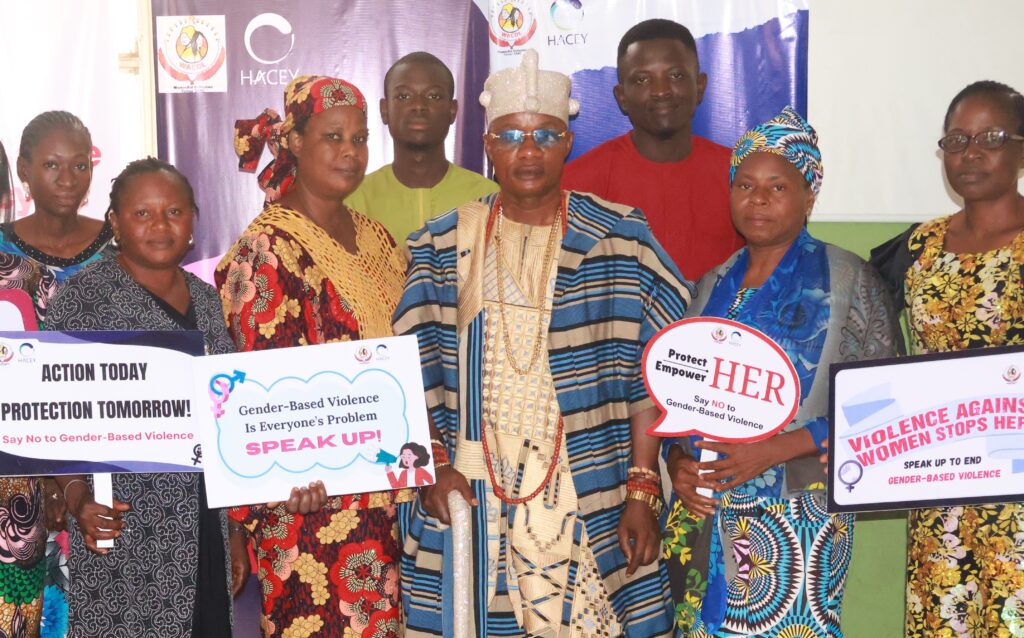
Gender-based violence is too often treated as a “women’s issue,” discussed in spaces where women carry both the burden of experience and the responsibility for solutions. But violence does not exist in isolation, and it is not sustained by women. It is shaped, enabled, and too often protected by the silence, indifference, or complicity of […]
The Collision Between Spiritual Advice and Women’s Safety
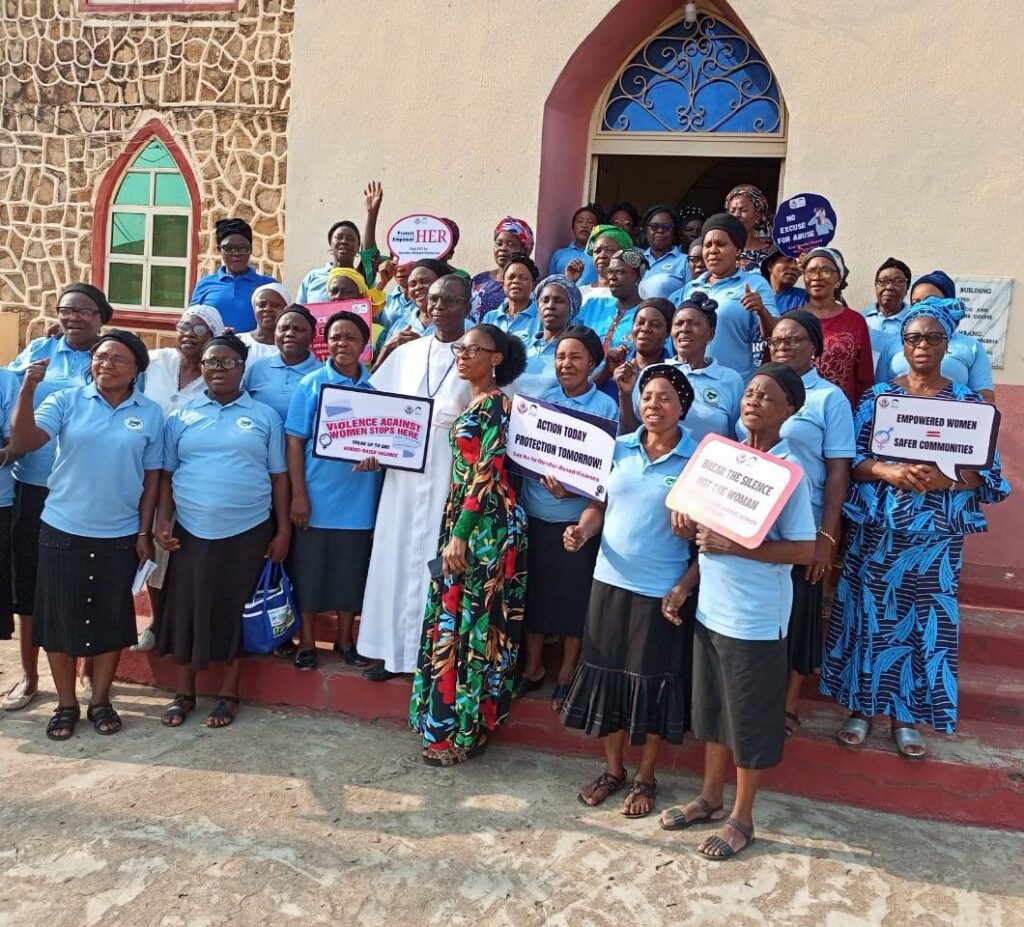
Religious communities are often the first place people turn in moments of domestic crisis. They offer comfort, guidance, and a sense of belonging. Yet for many women experiencing violence, the counsel they receive can unintentionally deepen their vulnerability rather than protect them. When women speak up about abuse, the responses they encounter are frequently framed […]
A Mother’s Fight to End Female Genital Mutilation
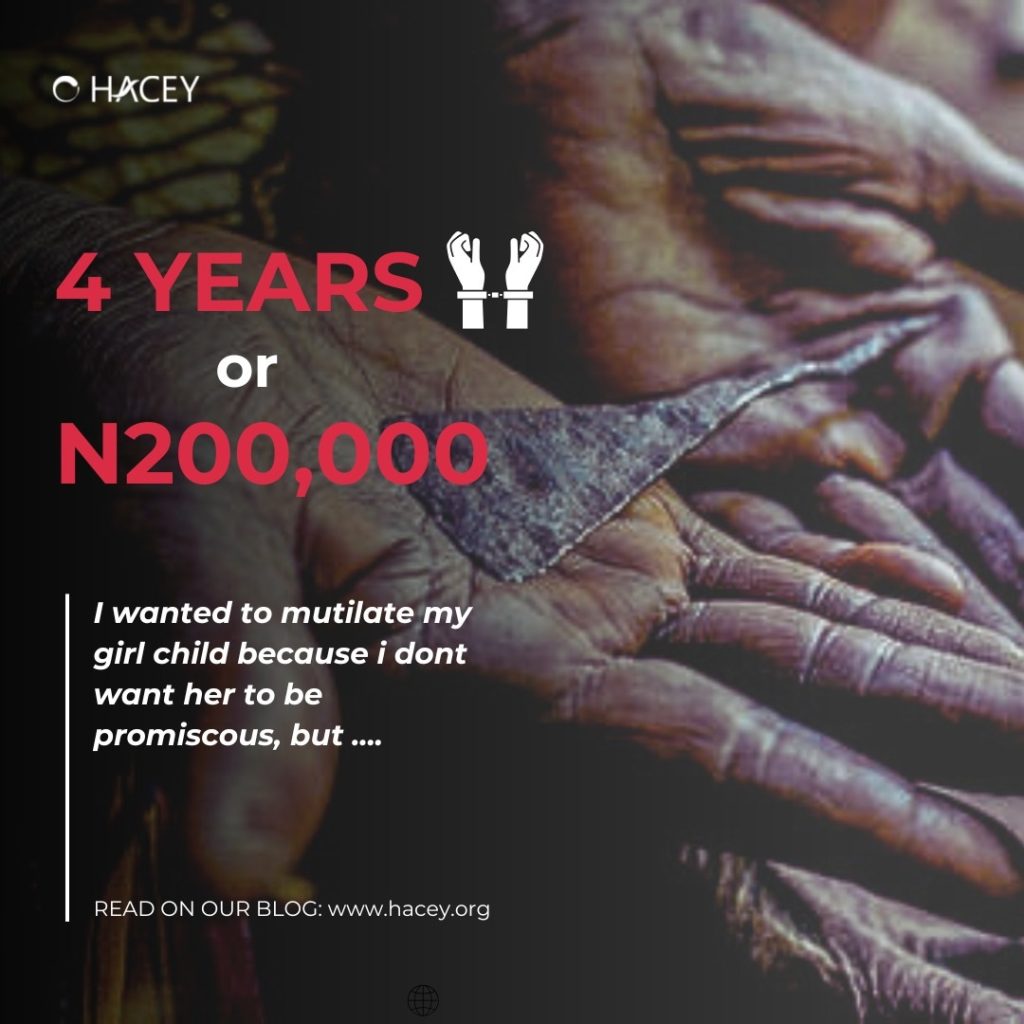
A Mother’s Journey to Protect Her Daughter from Female Genital Mutilation
HACEY Host 3rd Annual EndFGM Conference To Advocate Eradication of Female Genital Mutilation
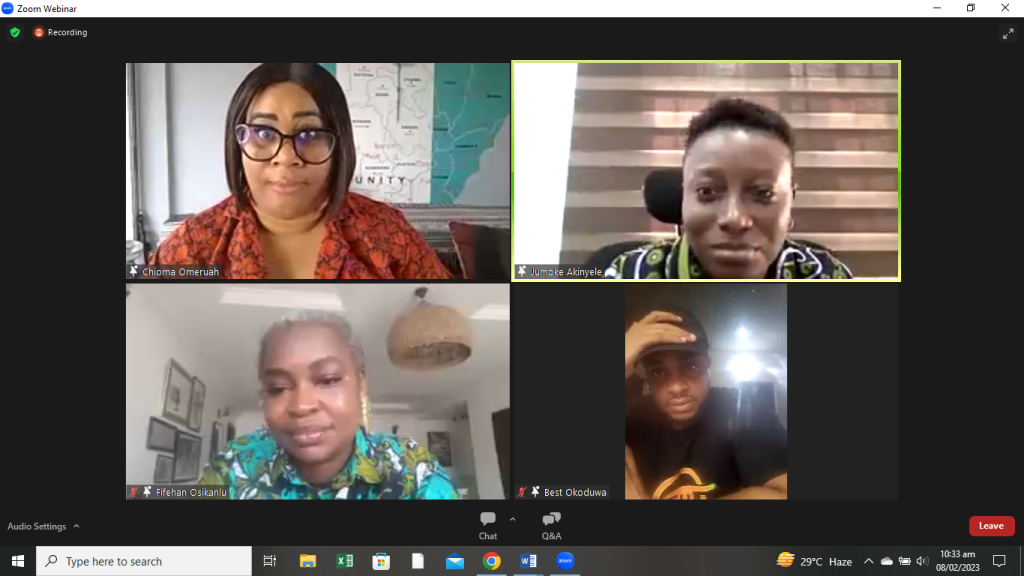
Leading Non-governmental organization, HACEY Health Initiative has hosted its 3rd annual end FGM conference themed: For Her Rights: Scaling Innovative Human Rights approaches in FGM Interventions. This was hosted in commemoration of International Day of Zero Tolerance for Female Genital Mutilation to highlight the need for a human rights perspective in developing innovative approaches to […]
Ending female genital mutilation: an approach to achieving gender equality
Female genital mutilation (FGM), a historic practice that involves the partial or complete removal of the external genitalia, is thought to have been performed on 200 million girls and women. FGM causes serious health repercussions, including but not limited to death, disfigurement, miscarriage, stillbirth, shock, bleeding, sepsis, sexual dysfunction, and posttraumatic stress disorder. It is a grave violation of human rights, especially those of women and children. The practice is common in 30 African nations, a handful in Asia and the Middle East, and, because of global migration, in many other nations even though it is not authorized by any religion and is prohibited in many of them. Although the practice’s acceptance or prevalence have declined in some nations, a lot still needs to be done. Adelowokan Toyin Adeola, Osun state Reproductive Health coordinator and gender desk officer, Ministry of Health speaking on the show said; “Many believe that when a woman or girl is cut, it will control her sexual urge which is not true. Women have several sensitive […]
Mental Health And Female Genital Mutilation
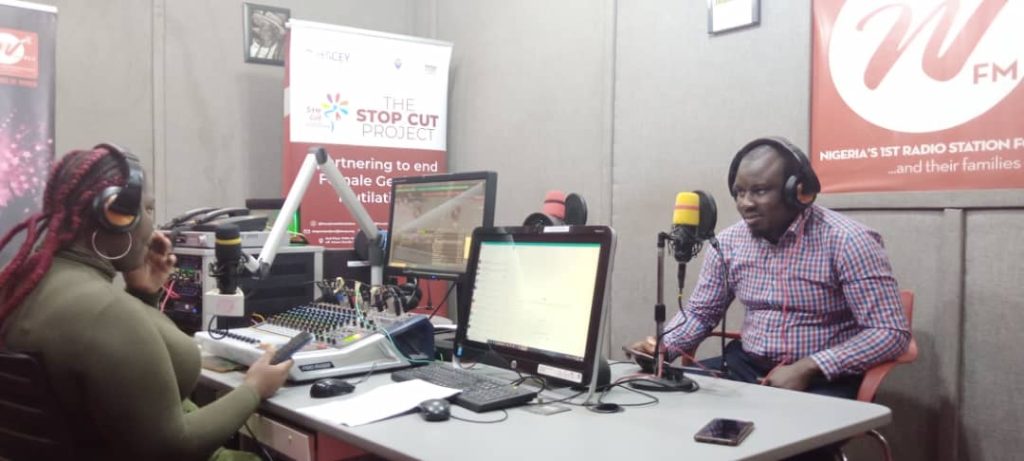
Female genital mutilation/cutting (FGM/C) most often affects a woman’s mental health long after the procedure has taken place, leaving scars and taking the pain into her adult life. Women with FGM/C often show signs of psychological trauma: anxiety, somatization, depression, post-traumatic stress and other mood disorders. Some of the immediate consequences of FGM include severe pain […]