
Medicalization of Female Genital Mutilation
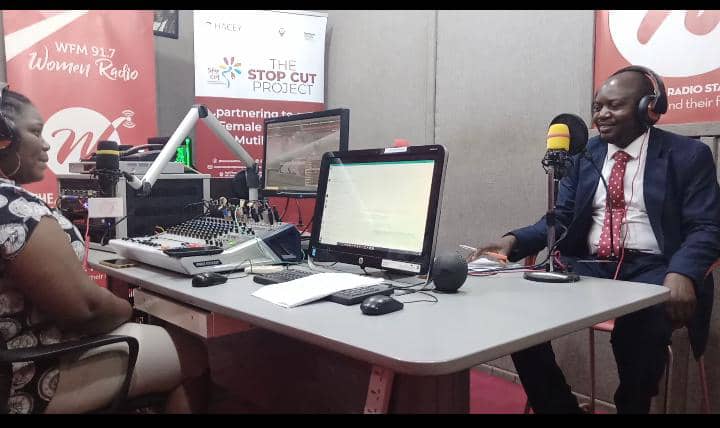
The World Health Organization defines the “medicalization” of Female Genital Mutilation/Cutting (FGM/C) as any situation in which FGM/C is practiced by any category of health professionals, whether in a public or a private clinic, at home or elsewhere, at any point in a female’s life. Although the practice is internationally considered harmful, it is increasingly being […]
Spotlight On Female Genital Mutilation
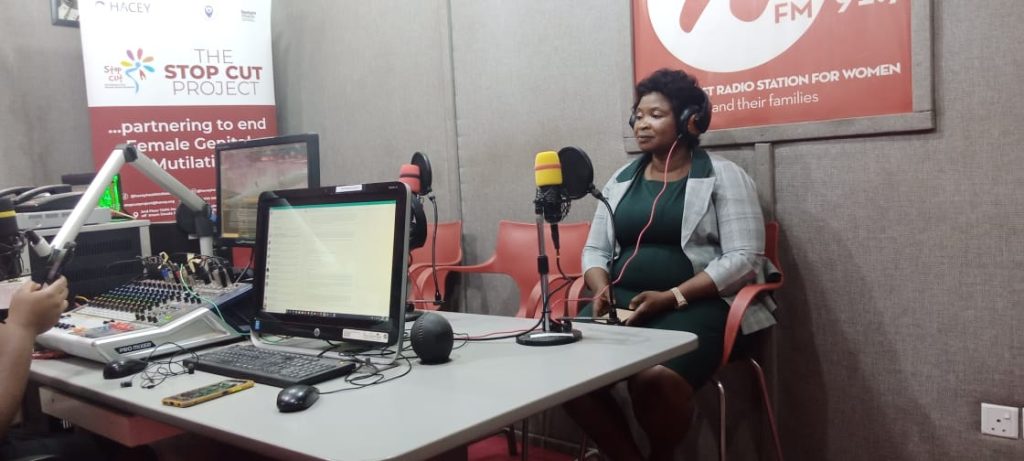
Female genital mutilation (FGM) according to World Health Organization(WHO) comprises all procedures that involve partial or total removal of the external female genitalia, or other injury to the female genital organs for non-medical reasons. The act is particularly carried out by traditional practitioners and in some cases, although with evidence, there are greater involvement of health […]
Progress on ending Female Genital Mutilation Across FGM prevalent states in southwest Nigeria
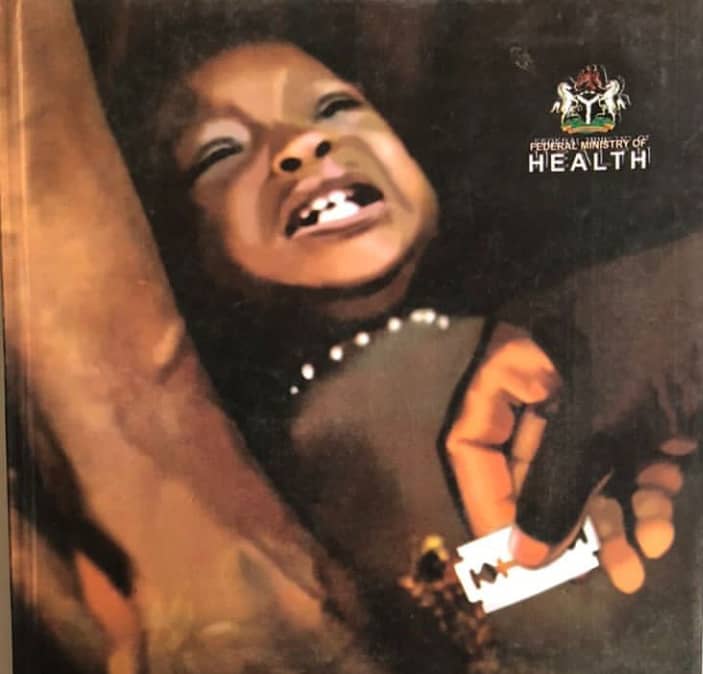
Female genital mutilation (FGM) remains widespread in Nigeria. With an estimated 19.9 million survivors, Nigeria accounts for the third highest number of women and girls who have undergone FGM worldwide. While the national prevalence of FGM among women in Nigeria aged 15-49 dropped from 25 per cent in 2013 to 20 per cent in 2018, […]
Zero tolerance for FGM: Reporting and speaking out against it
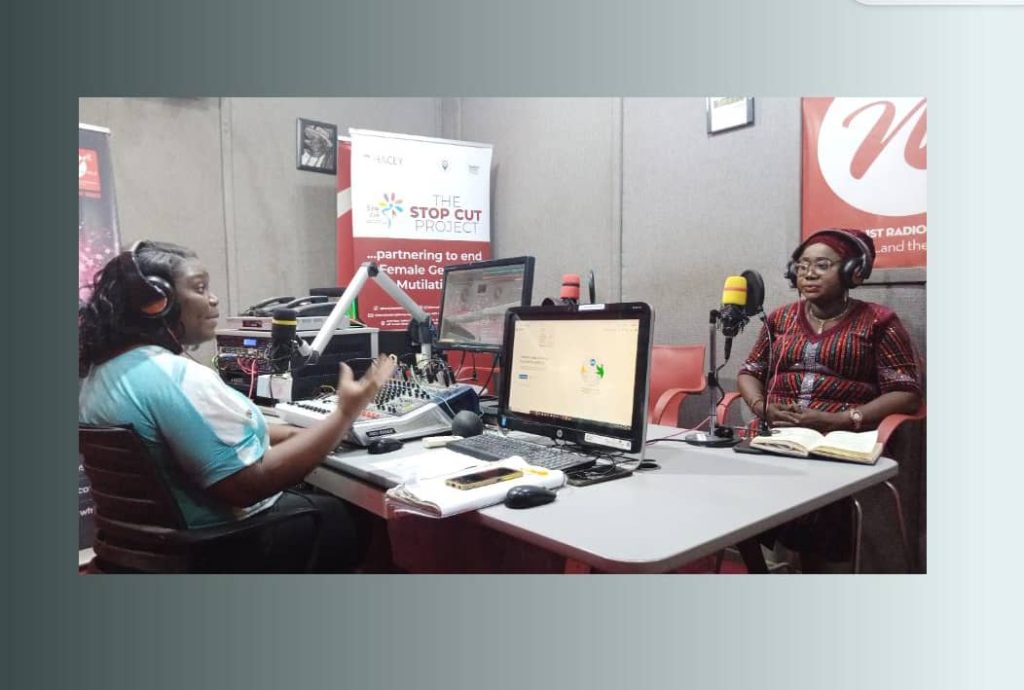
Female Genital Mutilation (FGM) is one of the most important human rights issues of our time because it goes hand-in-hand with other gender equality issues, including child, early, and forced marriage, honour-based violence, and girls’ education. Talking about FGM opens up doors to wider discussions and can be a catalyst for change. On the 10th episode […]
Changing Cultural Beliefs On Female Genital Mutilation
Female Genital Mutilation is associated with cultural ideologies that are wrapped around concepts of femininity and modesty. These concepts include the notion that girls are clean and beautiful after the removal of body parts that are considered unclean, unfeminine or male. Some people believe that the practice of Female Genital Mutilation has religious support, although […]
International Day of the African Child: HACEY joins the world in Eliminating Harmful Practices Affecting Children
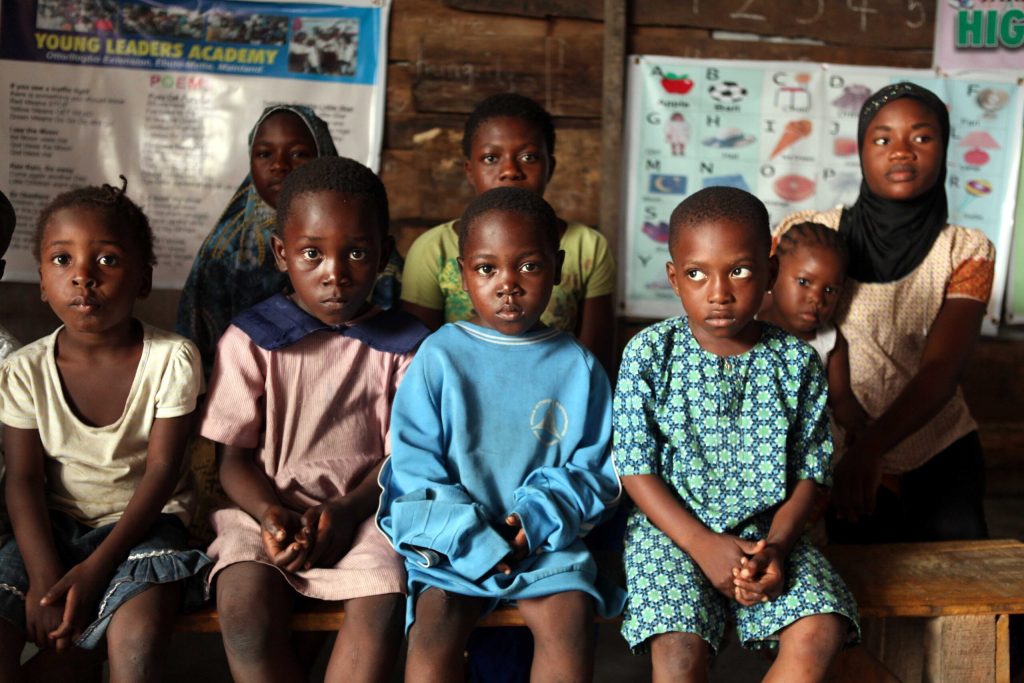
The International Day of the African Child celebrated every June 16th, has been celebrated since 1991. The OAU established it in 1991 to honour and remember the 1976 student uprising in Soweto, South Africa. This year Day of the African Child (DAC) 2022 will have as its theme the “Elimination of Harmful Practices Affecting Children: […]
Dealing With The Loss Of A Child
Nearly every parent is unprepared to bear the unimaginable anguish that comes with the unexpected death of a child at any age. All of your expectations regarding childrearing are dashed in an instant. Experiencing a stillbirth or a miscarriage can bring on a level of emotional grief that is on par with that brought on […]
Dealing With Rape As a Victim
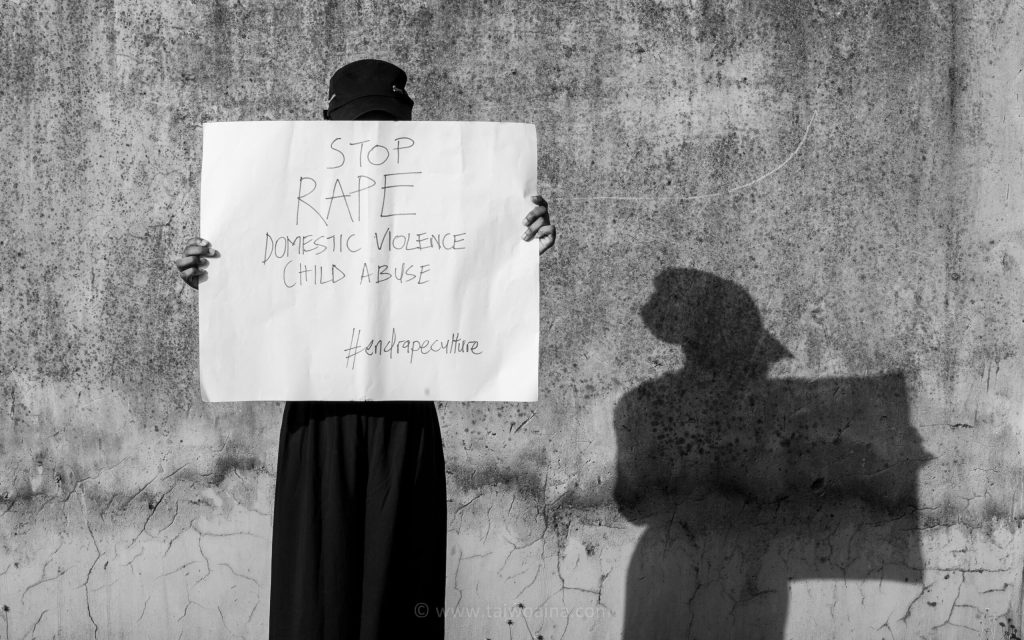
People who have been through traumatic events such as rape or sexual assault can find themselves feeling confused, vulnerable, ashamed, and isolated as a result of these experiences. Unbelievably, it takes place more frequently than most people would think it would. According to the Centers for Disease Control and Prevention (CDC), one in every five […]
Shocking Facts About How Much Water We Use
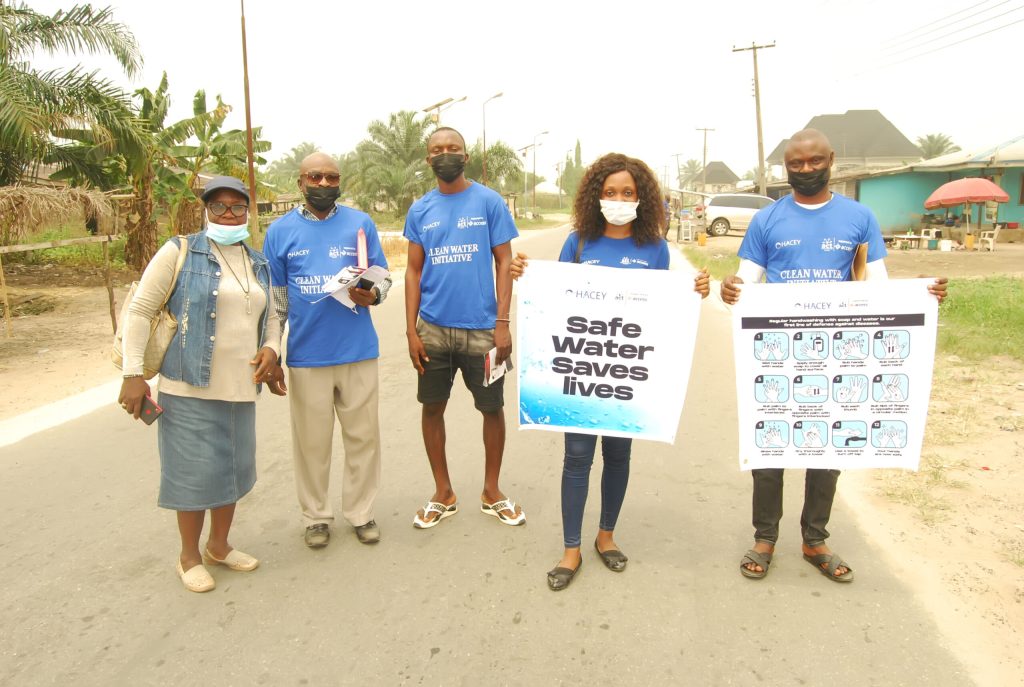
Water accounts for approximately sixty percent of our total body weight. Water is utilized throughout all of the cells, organs, and tissues in our bodies to assist in temperature regulation and the maintenance of other bodily functions. It is essential to drink fluids and consume foods that contain water in order to rehydrate and replace […]
Child Abuse: Speaking Up Is Not A Crime
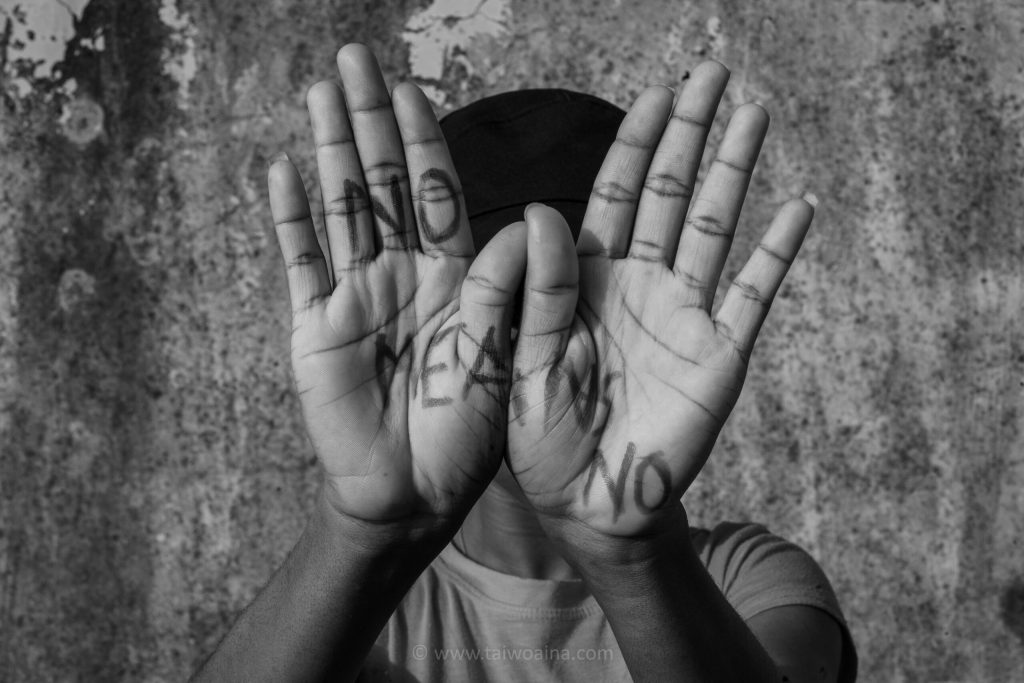
As a person who has survived childhood sexual abuse, there will likely be times when you will feel as though you are bearing an invisible burden. Even though other people can’t see it, you know it’s there and you know it’s real. The thought of disclosing can be overpowering and frightening, but at some point, […]