Gender-based violence is too often treated as a “women’s issue,” discussed in spaces where women carry both the burden of experience and the responsibility for solutions. But violence does not exist in isolation, and it is not sustained by women. It is shaped, enabled, and too often protected by the silence, indifference, or complicity of men.
When men are absent from these conversations, harmful norms go unchallenged. Abuse is dismissed as a private matter or excused as cultural tradition. Patterns of control, neglect, and emotional harm are normalized, repeated across generations without interruption. Perhaps most critically, young boys grow up without alternative models of masculinity, without seeing that respect, accountability, and care are just as integral to manhood as authority has long been.
Bringing men into the conversation changes this dynamic in profound ways. It shifts the weight of responsibility and introduces a level of accountability that cannot exist in women-only spaces. When men listen, really listen, to the lived realities of women, the conversation moves from abstraction to urgency. What was once dismissed as “marital issues” begins to take shape as something far more serious: a pattern of harm with lasting physical, emotional, and psychological consequences.
These conversations are not easy. They surface deeply held beliefs about marriage, gender roles, and power. They challenge assumptions about leadership within the home and question who holds control financially, emotionally, and socially. The discomfort that follows is not a setback; it is a signal that something meaningful is being confronted. Resistance, in these moments, often reveals just how much is at stake in maintaining the status quo.
But discomfort alone is not enough. For change to take root, men must move beyond passive agreement into active reflection and responsibility. It requires an honest reckoning with how privilege operates in everyday life, how decisions are made, whose voices are prioritized, and what behaviors are excused. It also demands a willingness to redefine strength, not as dominance, but as the capacity for empathy, fairness, and accountability.
The real cost of excluding men from these conversations is not just missed dialogue, it is missed intervention. Without their involvement, communities lose critical opportunities to identify warning signs early, to interrupt cycles of harm, and to collectively redefine what is acceptable. Violence thrives in silence, and silence is rarely neutral.
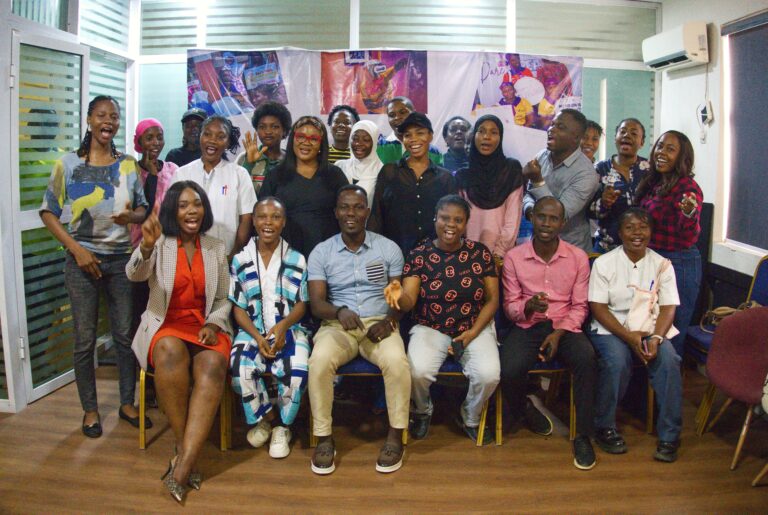
Recent dialogues in Oyo State, under the Empowering Christian Women and Women Leaders of Culture for Prevention and Response to Gender-Based Violence in Nigeria, through Strengthening Grassroots Organizations project, offer a glimpse of what becomes possible when men are meaningfully included. In these spaces, men joined women, community leaders, and facilitators to examine how faith and cultural values can either protect or endanger. The conversations quickly moved beyond theory as participants shared lived experiences, stories of emotional abandonment, financial neglect, and the quiet erosion of wellbeing that often goes unseen.
One story described a woman whose husband took another wife and withdrew both emotionally and financially, leaving her to carry the weight of stress alone until it manifested in severe health complications. Another recounted the experience of a pastor’s wife who chose to leave her marriage, not because of visible violence, but because she was denied peace in her own home. These accounts challenged the narrow definitions of abuse many had previously held.
For some men, the realization was immediate and unsettling. What they had once considered normal marital conflict revealed itself as something far more damaging. That shift in understanding created space for new commitments, an acknowledgment that dignity, care, and justice must be non-negotiable within both homes and communities.
What emerged from these dialogues was not perfection, but possibility. A recognition that when men are present, engaged, and willing to confront uncomfortable truths, the conversation changes, and with it, the potential for lasting change.