Whether acknowledged or not, traditional leadership in Nigeria, seats at the center of response. In many communities, influence does not sit in formal institutions alone, it begins in palaces, council gatherings, and quiet conversations with those who hold cultural authority, it sits with traditional leaders, Obas, chiefs, and council elders that are not just custodians of culture, but arbiters of conflict, voices of authority, and figures people turn to when issues within the home spill into the public sphere.
When gender-based violence occurs, these leaders are often closer to the reality than any external system. Families bring disputes before them, neighbors report concerns, community members seek their judgment and guidance. Across Osun State, advocacy efforts on gender-based violence are increasingly recognising one critical truth: traditional leaders are not just influencers of culture, they are gatekeepers of community response. Their words carry weight, and their positions command trust. This makes their role in addressing gender-based violence both powerful and necessary.
The question is no longer whether traditional leaders are involved – it is how they are involved.
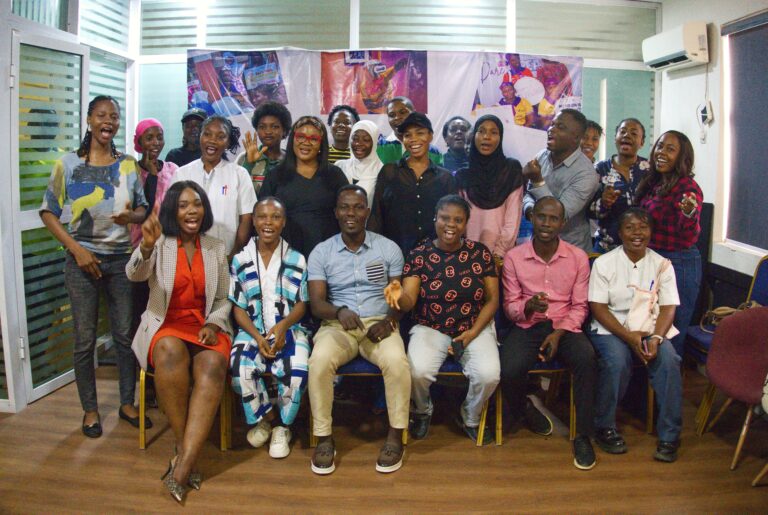
Through recent advocacy visits across communities in Osun State, a shift is beginning to take shape. Rather than treating violence as a private matter or something to be quietly resolved, conversations are opening up around accountability, safety, and the long-term impact of harm within families. These engagements are not about replacing culture, but about strengthening it, ensuring that the values communities uphold do not unintentionally protect harm.
For years, many cases of violence have been handled with the aim of preserving unity and avoiding public conflict. While this approach seeks stability, it can sometimes come at a cost. When resolution is prioritized without addressing safety, individuals often women, may be encouraged to return to harmful situations without adequate support.
Advocacy efforts are challenging this pattern by engaging leaders directly on the consequences of such outcomes. What becomes clear in these conversations is that violence is not always visible. It is not only physical. It can take the form of emotional distress, financial control, or sustained neglect, patterns that weaken wellbeing over time but are often overlooked in traditional mediation processes.
By expanding this understanding, traditional leaders are better positioned to recognise when intervention is needed and when a case requires more than reconciliation. But awareness is only the first step.
The real impact of these advocacy visits lies in how leaders choose to act on what they now see more clearly. This includes rethinking how cases are handled, asking different questions, and placing greater emphasis on the safety of those involved. It also involves using their influence beyond individual cases. Community meetings, public addresses, and local dispute systems can all reinforce a clear message: violence is not acceptable, and silence is not a solution.
Traditional leaders have always played a central role in shaping community values. What is changing now is how that role is being applied to issues like gender-based violence. Ending gender-based violence requires more than awareness campaigns, it requires leadership that is willing to challenge long-standing norms and prioritize protection.
PROJECT: Empowering Christian Women and Women Leaders of Culture for Prevention and Response to Gender-Based Violence in Nigeria, through Strengthening Grassroots Organizations.