Religious communities are often the first place people turn in moments of domestic crisis. They offer comfort, guidance, and a sense of belonging. Yet for many women experiencing violence, the counsel they receive can unintentionally deepen their vulnerability rather than protect them.
When women speak up about abuse, the responses they encounter are frequently framed as spiritual wisdom: pray more, endure for the sake of your children, protect the family’s image. These messages, though familiar and often well-intentioned, tend to shut down further conversation. They shift attention away from the harm being experienced and place responsibility back on the woman, suggesting that her safety is tied to her patience, her silence, or the strength of her faith. In doing so, the preservation of family reputation and community harmony is prioritized over her immediate need for protection.
This dynamic serves multiple interests at once. Religious leaders retain their authority by offering solutions rooted in faith. Families avoid the disruption and stigma that can come with public disclosure. Communities maintain long-standing social structures. But the cost of this balance is borne almost entirely by the woman, whose safety becomes secondary to these collective concerns.
What makes this pattern particularly harmful is the way it reframes violence. Abuse is no longer treated as a violation that demands intervention, but as a spiritual trial to be endured. Responsibility for change is subtly transferred to the woman, who is encouraged to influence her partner through prayer or submission. At the same time, she may be discouraged from speaking out, as doing so is cast as a failure of religious duty or loyalty. The result is a quiet but powerful form of isolation, one that keeps women within reach of harm while distancing them from meaningful support.
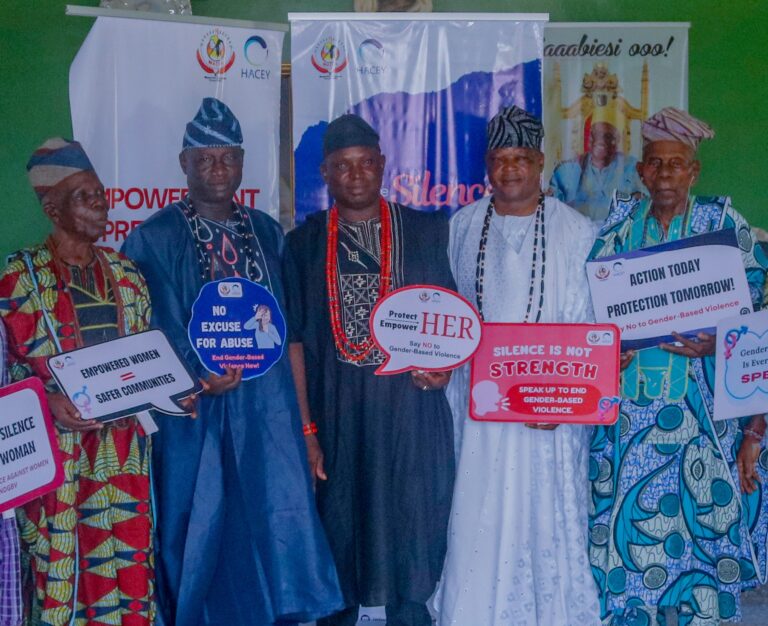
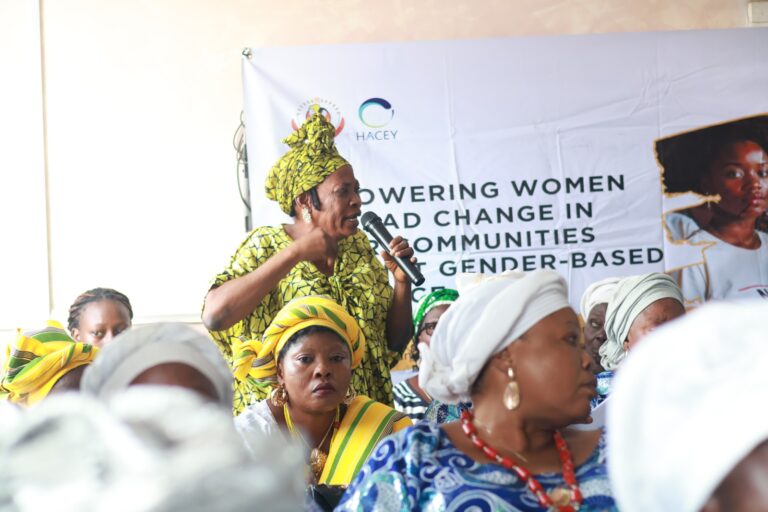
In church-based dialogues held in Oyo State, this tension was brought into sharp focus. Participants examined how guidance rooted in faith can become dangerous when it is disconnected from practical considerations of safety. One participant captured the urgency of the issue with striking clarity: when a woman is told to stay silent for the sake of her family, she may be sent back into a situation that puts her life at risk. That insight shifted the conversation. It was not a rejection of prayer, reconciliation, or faith itself, but a challenge to how these values are applied, especially when they override the need to assess danger and respond appropriately.
What followed was a rare and honest moment of self-reflection. Some participants recognized that they had given similar advice in the past, only now beginning to see how it may have prolonged harm. Others acknowledged times they had remained silent, guided by the same beliefs they were now questioning. This kind of introspection proved far more powerful than external criticism. It opened the door to change, not through defensiveness, but through a shared commitment to do better.
Still, awareness alone is not enough. Changing this pattern requires more than good intentions; it calls for structural shifts in how religious communities respond to disclosures of violence. Leaders need training to recognize risk and respond appropriately. Clear pathways must be established to connect survivors with professional support services. And perhaps most importantly, there must be a deliberate effort to develop theological frameworks that place safety and human dignity at the center, alongside values like reconciliation and forgiveness.
The conversations in Oyo State offer a compelling reminder that faith communities are capable of growth without losing their core identity. The task ahead is not to abandon spiritual guidance, but to ensure it aligns with its deepest purpose: to protect, to uphold dignity, and to care for those most at risk.
PROJECT :Empowering Christian Women and Women Leaders of Culture for Prevention and Response to Gender-Based Violence in Nigeria, through Strengthening Grassroots Organizations