In moments of crisis, the first response a woman receives can shape everything that follows. For many women experiencing violence, that response comes not from formal institutions, but from people within their community, family members, neighbors, or trusted elders.
The words used in these moments carry weight.
“Don’t expose the family.”
“Manage it quietly.”
“These things happen in marriage.”
These statements are often intended to calm situations or prevent escalation. But their impact can be far more serious.
They can silence.
They can discourage help-seeking.
They can send women back into unsafe environments without support.
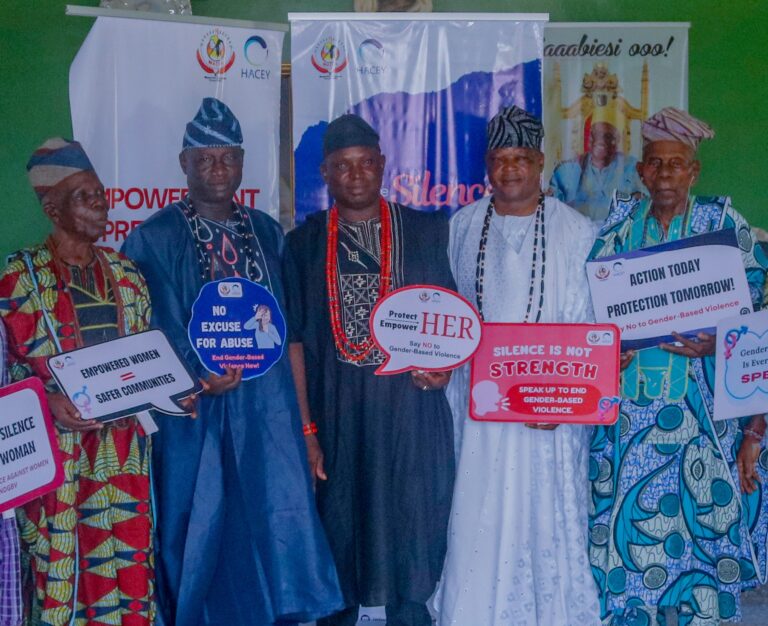
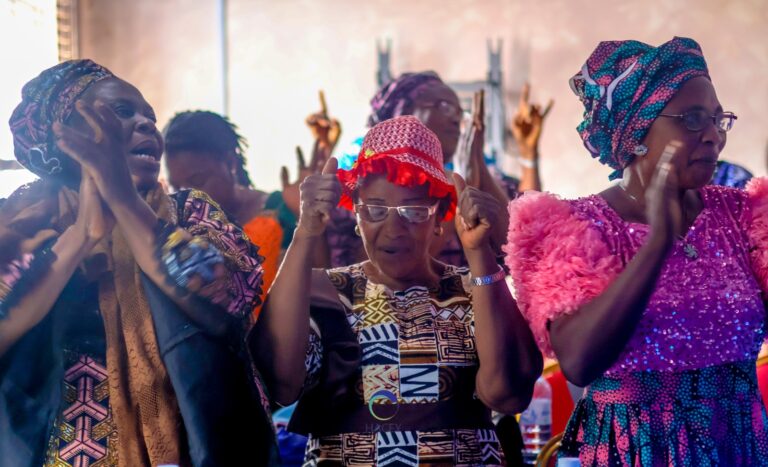
During community dialogues in Oyo State, participants reflected on how these common responses can unintentionally reinforce harm. What became clear is that language is not neutral, it shapes decisions, actions, and outcomes. When a woman is told to remain silent, the message is that maintaining social order is more important than her safety. When she is encouraged to endure, the expectation becomes survival rather than protection.
Changing this begins with something simple but powerful: choosing different words.
“I am sorry this is happening.”
“You do not deserve this.”
“We can help you find support.”
These responses do not solve the situation immediately, but they open the door to safety. They affirm the woman’s experience and create space for action.
What the conversations in Oyo State revealed is that small shifts in language can lead to larger shifts in outcomes. Because sometimes, the difference between harm continuing and harm stopping begins with what is said, and what is not.
PROJECT: Empowering Christian Women and Women Leaders of Culture for Prevention and Response to Gender-Based Violence in Nigeria, through Strengthening Grassroots Organizations.